
Vitiligo Treatment – Restore Even Skin Tone Safely
Vitiligo treatment helps reduce white patches and improve skin color balance. Safe and effective options support healthier, natural-looking skin.

Vitiligo Treatment
Vitiligo is a condition where the skin loses its natural color, leading to white or light patches called macules. These patches commonly appear on the hands, face, feet, and forearms. It affects around 1% of the global population. While treatment isn’t medically required, options are available for those who wish to restore or even out their skin tone.
What is Vitiligo?
Vitiligo (pronounced “vit-il-EYE-go”) is a skin condition that causes the loss of skin color or pigment, resulting in lighter or white patches on the skin. These areas are called macules if they’re smaller than 1 centimeter and patches if they’re larger. If vitiligo affects a part of your body with hair, the hair in that area may also turn white or silver.
This happens when the body’s immune system destroys melanocytes — the cells responsible for producing melanin, the pigment that gives skin its color.
Who Can Get Vitiligo?
Vitiligo can affect anyone, regardless of race or gender. However, it is more noticeable in people with darker skin tones. The condition can appear at any age, though most people notice it before the age of 30.
You may have a higher risk of developing vitiligo if you have autoimmune conditions such as:
Addison’s disease
Anemia
Type 1 diabetes
Lupus
Psoriasis
Rheumatoid arthritis
Thyroid disease
Book Your Consultation in Jaipur Today!
Types of Vitiligo
Generalized: The most common form; white patches appear on multiple areas of the body.
Segmental: Affects only one side or specific area, such as one hand or side of the face.
Mucosal: Affects the mucous membranes of the mouth or genitals.
Focal: A rare form where a few macules develop in one small area and don’t spread.
Trichrome: Features three zones — a white center, a lighter ring, and normal skin tone outside.
Universal: An uncommon form that causes pigment loss over more than 80% of the skin.
How Does Vitiligo Start and Progress?
Vitiligo often begins as a few small, pale spots or white patches that may gradually spread. It commonly appears first on the hands, feet, forearms, or face, but it can develop anywhere — including the mouth, nose, genitals, eyes, and inner ears.
In some people, larger patches may continue to expand, while in others, they remain stable for years. The extent of pigment loss varies — some people have only a few depigmented areas, while others experience widespread skin color loss.
Symptoms of Vitiligo
Common signs include:
White or light patches on the skin or mucous membranes
Hair turning gray, silver, or white in affected areas
Occasionally, mild itching before depigmentation appears
Vitiligo can appear anywhere, but most often affects the:
Hands and feet
Arms and face
Lips, nose, and inside the mouth
Genital area
Causes of Vitiligo
Vitiligo occurs due to a loss of melanin, but the exact cause is not fully understood. Research suggests several possible factors:
Autoimmune response: The immune system attacks healthy melanocytes by mistake.
Genetic factors: Mutations in certain genes (over 30 identified) can increase susceptibility.
Stress: Emotional or physical stress, including injuries, may affect melanin production.
Environmental triggers: Sun exposure (UV radiation) or contact with certain chemicals may damage melanocytes.
Book Your Consultation in Jaipur Today!
Frequently Asked Questions
Vitiligo is a long-term skin condition where certain areas of the skin lose their natural pigment, causing white or light-colored patches. It occurs when melanocytes — the cells responsible for producing melanin — are destroyed or stop functioning.
No, vitiligo is not contagious. It cannot spread from one person to another through touch, sharing personal items, or physical contact.
The exact cause isn’t fully known, but vitiligo is believed to result from an autoimmune response, genetic factors, stress, or environmental triggers such as chemical exposure or sun damage.
Vitiligo can affect anyone, regardless of age, gender, or skin color. However, it tends to be more noticeable in people with darker skin tones and usually appears before the age of 30.
Yes, in some cases, vitiligo patches may spread gradually to other parts of the body. However, for others, the affected areas may remain stable for years without significant change.
There is currently no permanent cure for vitiligo, but several treatments — such as light therapy, topical medications, and skin camouflage — can help restore color or even out skin tone.
Yes. Emotional or physical stress can sometimes trigger or worsen vitiligo by affecting how melanocytes function and how the immune system responds.
Vitiligo can be managed through medical treatments (like corticosteroid creams or phototherapy), cosmetic options (like makeup or self-tanners), and lifestyle adjustments such as using sunscreen and reducing stress.
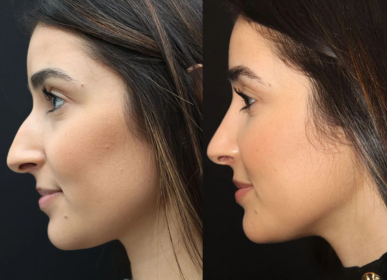
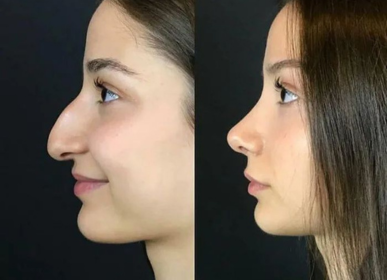
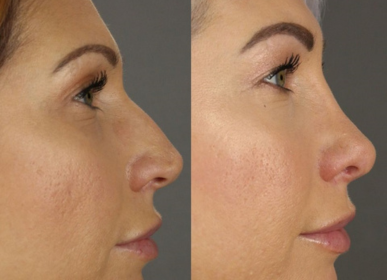
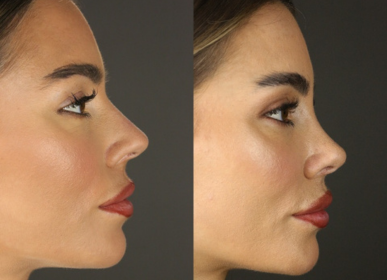
Before / After
Proven Results You Can See

Testimonials