
Tattoo Removal – Safe Laser Treatment for Clear Skin
Laser tattoo removal fades and clears unwanted tattoos safely and effectively. Achieve smooth, natural-looking skin with advanced technology and minimal downtime.
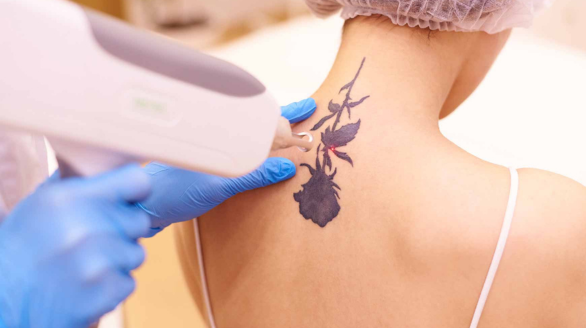
Tattoo Removal
Tattoo removal is a medical procedure designed to eliminate permanent ink from the skin. If you have a tattoo you no longer want, your healthcare provider may recommend options such as laser therapy. When performed by a dermatologist, tattoo removal is generally safe, though it can carry potential side effects, including scarring.
What is Tattoo Removal?
A tattoo is a permanent body art created when ink pigments are injected into the deeper layers of your skin. Unlike normal foreign particles that your immune system can break down, tattoo ink granules are too large for your body to remove naturally — which is why tattoos last a lifetime.
Tattoo removal is a medical procedure designed to break down these ink particles so your body can gradually eliminate them. Since professional tattoos embed the pigment deep under the skin, removal usually requires multiple sessions.
The most common and effective method today is laser tattoo removal, which uses high-intensity light beams to target and fragment the ink. Over time, your immune system clears away these smaller particles. Other methods (like dermabrasion or surgical removal) may be used in certain cases, but laser treatment remains the safest and most widely recommended.
If you’re considering tattoo removal, consult a dermatologist or qualified healthcare provider to determine the best option based on your tattoo’s size, color, age, and location.
How does tattoo removal work?
Different tattoo removal methods work in different ways, but the main goal is always to break down or remove the permanent ink particles from your skin. Techniques like laser tattoo removal and certain tattoo removal creams target the ink particles and break them into smaller fragments, which your immune system gradually eliminates with minimal risk of scarring. Other methods, such as dermabrasion, chemical peels, or surgical excision, physically remove layers of skin that contain the ink. While effective, these approaches usually carry a higher risk of scarring, as the skin heals over the treated area to restore a natural appearance.
Does tattoo removal hurt?
The level of pain or discomfort depends on the removal method used. Many people describe the sensation as similar to getting a tattoo, while others say it feels like a rubber band snapping against the skin. After the procedure, the treated area may remain sore for some time.
More invasive techniques can be painful, so your surgeon may use general anesthesia, or a dermatologist may apply a topical or local anesthetic to numb the skin and make the procedure more comfortable.
Book Your Consultation in Jaipur Today!
Who is a candidate for tattoo removal?
You may be a good candidate for tattoo removal if you:
Have a tattoo you no longer want.
Are in good overall health.
Do not smoke.
Have realistic expectations about the results.
Understand the risks and possible side effects of the procedure.
Why do people get tattoos removed?
The reasons for tattoo removal vary from person to person. Common motivations include:
Disliking the tattoo’s appearance or design.
Having a workplace or profession that doesn’t allow visible tattoos.
Wanting to move on from a tattoo that’s linked to a negative memory or relationship.
What are the types of tattoo removal?
Several methods are available to remove tattoos. Each works differently and comes with its own risks and benefits:
Laser tattoo removal:
Lasers deliver focused beams of light to heat and break tattoo ink into smaller particles, which your immune system gradually removes. Multiple sessions are usually required.Dermabrasion:
A surgical tool removes the outer skin layers that contain tattoo pigment. Because this procedure creates an open wound, local or general anesthesia is necessary, and healing time is longer.Chemical peels:
Chemicals such as trichloroacetic acid are applied to peel away outer skin layers that hold ink.Surgical excision:
The tattooed skin is surgically cut out, and the surrounding skin is stitched together. This works best for small tattoos but isn’t suitable for larger ones.Tattoo removal creams:
Available for at-home use, these creams often contain acids that irritate or damage skin. Results are typically slow and less effective compared to professional methods.
What is the process of a laser tattoo removal procedure?
Laser tattoo removal is the most common option. Here’s what typically happens:
Consultation:
A physician or dermatologist evaluates your skin and tattoo.
They may ask:
When you got the tattoo.
Whether it was done professionally or by an amateur.
If you’ve had any previous removal attempts.
The size, color, and depth of the tattoo are assessed, and photos may be taken for reference.
A personalized treatment plan is created.
During the procedure:
You’ll wear protective eye shields.
The provider tests your skin to find the safest, most effective laser setting.
A handheld laser device is placed against your skin, delivering pulses of light across the tattoo.
Small tattoos require fewer pulses, while larger tattoos require more. Multiple sessions are needed for best results.
After treatment:
The tattoo should gradually fade after each session.
Your provider will give you aftercare instructions to protect your skin and promote healing.
Book Your Consultation in Jaipur Today!
Frequently Asked Questions
You might be a candidate if you:
Have a tattoo you no longer want.
Are in good overall health.
Don’t smoke.
Have realistic expectations about results.
Understand the risks and possible side effects.
Some common reasons include:
Disliking the tattoo’s design.
Job restrictions on visible tattoos.
Emotional or personal reasons tied to the tattoo.
Yes, tattoo removal is generally safe if performed by a licensed healthcare provider experienced in laser treatments. Modern laser technology has improved safety and reduced scarring risks. Always consult a dermatologist for personalized advice.
Effective removal of unwanted tattoos.
Improved self-confidence and appearance.
Minimal downtime after treatment.
Generally safe and well-tolerated procedure.
Less pain and discomfort compared to older methods.
Possible risks include:
Scarring.
Infections.
Skin discoloration.
Irritation, redness, or rash.
Pain or discomfort.
Self-removal attempts or non-medical treatments (like spas or parlors) can be unsafe. A dermatologist is the safest option.
Tattoo removal usually requires multiple sessions, spaced several weeks apart. The exact number depends on factors such as tattoo size, ink color, depth, and your skin type.
Most patients describe the sensation as similar to a rubber band snapping against the skin. Discomfort is usually tolerable and may be eased with numbing creams or cooling devices.
Redness, swelling, or tenderness around the treated area.
Temporary blistering or scabbing as the skin heals.
Gradual fading of the tattoo over several weeks.
Aftercare is essential—your provider will guide you to prevent infection and support healing.
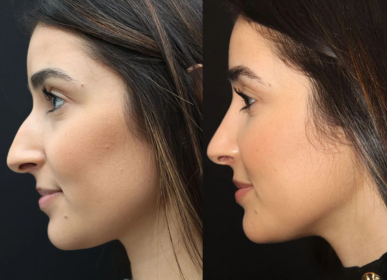
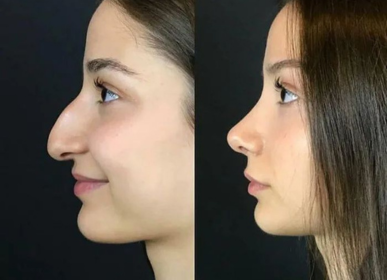
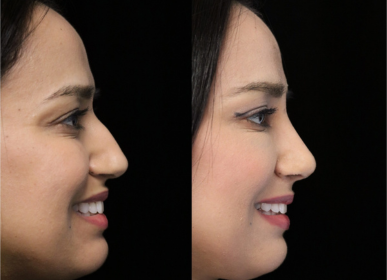
Before / After
Proven Results You Can See
Testimonials