
Stretch Marks Treatment – Fade Marks and Restore Smooth Skin
Stretch marks treatment helps reduce visible lines caused by weight changes, pregnancy, or growth. Safe and effective solutions improve skin texture and appearance.
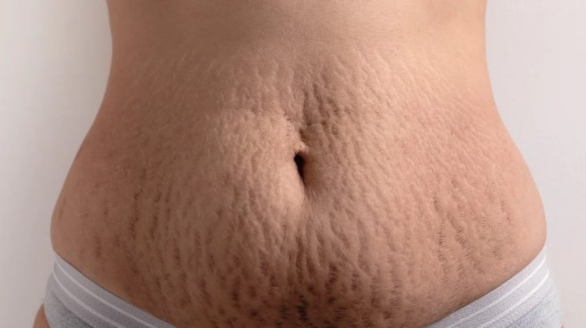
Stretch Marks
Stretch marks, also known as striae, are a type of scar that develops when the skin stretches or shrinks too quickly. This sudden change causes the collagen and elastin fibers in the skin to rupture. As the skin heals, stretch marks may appear as indented streaks or lines.
They can vary in color — from red, purple, or pink to white or silver — depending on your skin tone and how long you’ve had them.
What Are Stretch Marks?
Stretch marks (also known as striae) are slightly sunken, discolored lines or streaks that form on the skin when it stretches or shrinks rapidly. This sudden change damages collagen and elastin — the fibers that support your skin — causing tiny tears that heal as scars.
Stretch marks commonly appear on:
Abdomen (stomach)
Thighs
Hips
Breasts
Upper arms
Lower back
Buttocks
Who Gets Stretch Marks?
Anyone can develop stretch marks, but certain factors make them more likely. You may be at higher risk if you:
Are pregnant, especially if you’re Black, Hispanic, East Asian, or South Asian
Experience rapid weight gain or loss
Build muscle quickly through bodybuilding or weightlifting
Have growth spurts during adolescence
Have a family history of stretch marks
Live with conditions like Cushing’s syndrome or Marfan syndrome
Use corticosteroid medications (like prednisone) long term
How Do Stretch Marks Affect You?
Stretch marks are harmless and don’t cause pain. However, they can affect self-esteem and body confidence. Many people experience stress, anxiety, or low self-image due to how stretch marks change the skin’s appearance.
Book Your Consultation in Jaipur Today!
What Causes Stretch Marks?
Stretch marks develop when the skin’s collagen and elastin fibers break due to rapid stretching or shrinking.
Elastin allows skin to stretch and return to shape.
Collagen provides strength and structure.
When these fibers tear, the skin heals with visible streaks or lines.
Stretch marks are not contagious and cannot spread through touch or skin contact.
Symptoms of Stretch Marks
Common signs and symptoms include:
Depressed (sunken) lines or streaks on the skin
Discoloration (red, purple, pink, brown, or blue)
Skin that becomes shiny or glossy as marks fade to silver or white
Mild itching or irritation in affected areas
Treatment Options for Stretch Marks
Stretch marks can fade naturally, but they rarely disappear completely. Early treatment yields better results than treating older marks.
1. Laser Skin Resurfacing
Uses concentrated light beams to remove skin layers and stimulate new collagen formation.
Results: Noticeable improvement after treatment; continued improvement for up to a year.
Possible side effects: Swelling, pigmentation changes, or tiny white bumps (milia).
2. Dermabrasion
A surgical exfoliation technique that scrapes away damaged skin layers.
Results: Smoother skin after healing (2–6 weeks).
Side effects: Redness, pigmentation changes, or enlarged pores.
3. Microneedling
Involves creating tiny punctures in the skin to trigger collagen and elastin production.
Results: 3–6 treatments may be needed; visible results in 4–6 months.
Side effects: Temporary redness, swelling, or mild irritation.
4. Retinol Creams
Retinol (Vitamin A derivative) improves skin texture, tone, and hydration.
Results: Noticeable changes after 6 months of consistent use.
Side effects: Dryness, irritation, and light sensitivity.
Home Remedies for Stretch Marks
Some natural remedies may help reduce or prevent stretch marks when used consistently:
Aloe vera gel – Soothes and hydrates skin
Hyaluronic acid – Boosts elasticity and firmness
Centella asiatica (Gotu Kola) – Encourages collagen production
Book Your Consultation in Jaipur Today!
Frequently Asked Questions
Stretch marks are discolored, slightly indented lines that appear on the skin when it stretches or shrinks too quickly. This sudden change causes collagen and elastin fibers to break, leaving behind scar-like marks as the skin heals.
Anyone can get stretch marks, but they are more common among pregnant women, teenagers going through growth spurts, bodybuilders, and individuals who gain or lose weight rapidly. Genetics and hormonal changes can also increase the risk.
Stretch marks are long-lasting, but not always permanent. They usually fade over time, changing from red or purple to white or silver. Treatments like laser therapy, microneedling, and retinol creams can help them fade faster.
While you can’t always prevent stretch marks, you can reduce the risk by keeping your skin hydrated, maintaining a stable weight, and using moisturizers with vitamin E, shea butter, or hyaluronic acid during periods of rapid growth or pregnancy.
Yes, in many cases, stretch marks fade naturally within 6 to 12 months. However, they may not disappear completely. Regular moisturizing and treatments can help improve their appearance.
Effective treatments include:
Laser skin resurfacing – promotes collagen renewal
Microneedling – improves texture and elasticity
Dermabrasion – removes damaged skin layers
Topical retinol creams – stimulate new skin cell growth
No, stretch marks are not harmful and not contagious. They are purely cosmetic and don’t pose any medical risks, though they may affect confidence or self-image.
Some natural remedies that may help lighten stretch marks include aloe vera, Centella Asiatica (Gotu Kola), and hyaluronic acid. While these can improve skin elasticity and hydration, results vary from person to person.
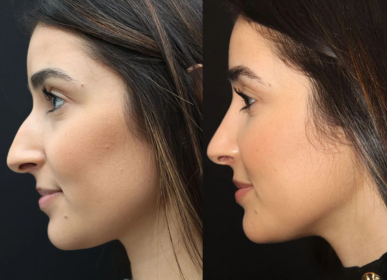
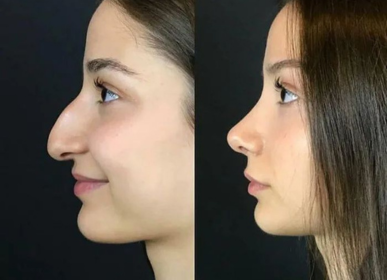
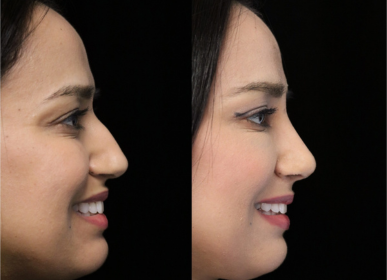
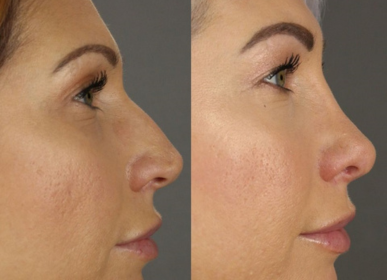
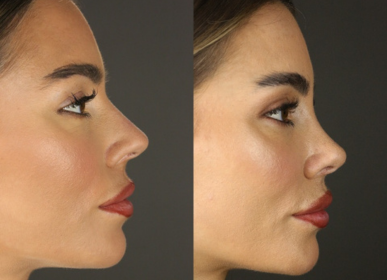
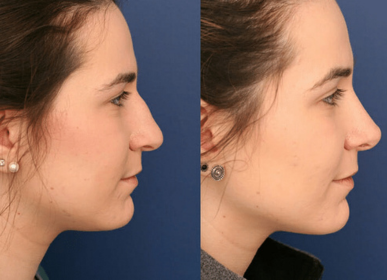
Before / After
Proven Results You Can See
Testimonials