
Skin Resurfacing – Renew and Rejuvenate Your Skin
Skin resurfacing treatments reduce scars, wrinkles, and uneven texture. Achieve smoother, brighter, and younger-looking skin with safe and effective procedures.
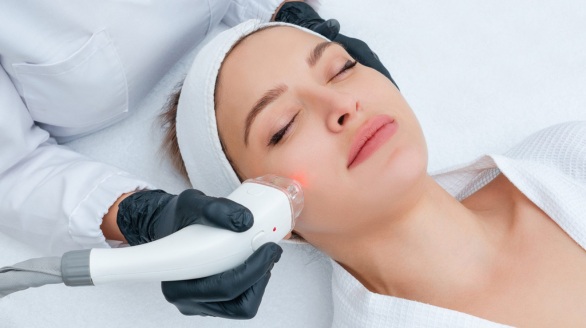
Laser Skin Resurfacing
Laser skin resurfacing is a cosmetic procedure that helps reduce wrinkles, scars, uneven skin tone, and sun damage while tightening the skin. The treatment uses focused beams of light (lasers) to remove the outer layers of skin and stimulate new collagen production, resulting in smoother, firmer, and more youthful-looking skin.
What Is Laser Skin Resurfacing?
Laser resurfacing directs short, concentrated beams of light at damaged skin, precisely removing the outer layer (epidermis) and heating the underlying layer (dermis). This process triggers collagen growth, encouraging new, healthy skin to form.
The result is a smoother texture, improved tone, and a reduction in visible imperfections such as scars, lines, and discoloration.
Who Is a Good Candidate for Laser Skin Resurfacing?
You may be an ideal candidate if you have:
Acne or chickenpox scars
Uneven pigmentation or sun damage
Birthmarks or benign skin lesions
Age spots or liver spots
Fine lines and wrinkles (especially around the eyes, mouth, or forehead)
Enlarged oil glands on the nose
Skin that has lost elasticity after a facelift
You may not be a good candidate if you have:
Active acne
Very dark skin tone (higher risk of pigmentation changes)
Deep wrinkles or sagging skin
Certain medical or healing issues
Book Your Rhinoplasty Consultation
in Jaipur Today!
How Does Laser Skin Resurfacing Work?
Laser resurfacing works by removing layers of damaged skin and stimulating collagen production. There are three main types of laser treatments:
1. CO₂ Laser Resurfacing
Uses short, pulsed beams of light to remove thin layers of skin with minimal heat damage.
Effective for wrinkles, scars, warts, and sun-damaged skin.
Recovery time: Up to 2 weeks.
2. Erbium Laser Resurfacing
Designed for superficial to moderately deep wrinkles on the face, neck, chest, or hands.
Causes minimal surrounding tissue damage and fewer side effects.
Better suited for medium to darker skin tones.
Recovery time: Around 1 week.
3. Fractional (Fractionated CO₂) Laser Resurfacing
Delivers laser energy into tiny, targeted columns, leaving surrounding skin intact.
Promotes faster healing and collagen tightening.
Recovery time: About 1 week.
May carry a higher risk of scarring if the laser penetrates deeply.
Your healthcare provider will determine the most suitable laser type based on your skin type, concerns, and goals.
What to Expect During and After the Procedure
Laser resurfacing is usually done on an outpatient basis using local anesthesia and sedation.
Partial-face treatments take about 30–45 minutes, while full-face procedures take 1.5–2 hours.
The treated skin will be covered with a nonstick dressing for 24 hours.
After that, you’ll need to cleanse the area 2–5 times daily with saline or diluted vinegar solution and apply Vaseline®, Aquaphor®, or Eucerin® to keep the skin moist.
Healing Timeline
Skin typically heals within 5–21 days, depending on laser type and depth.
Temporary redness or pinkness may last from 2–3 months and sometimes up to a year.
Makeup can be used after healing, with green-based, oil-free products recommended to mask redness.
People with darker skin tones may experience temporary hyperpigmentation; bleaching creams can be prescribed if needed.
How to Prepare for Laser Skin Resurfacing
To ensure safe and effective results:
Avoid tanning and sun exposure for 4 weeks before treatment.
Avoid deep facial peels or dermabrasion for at least 4 weeks prior.
Stop photosensitizing medications (like doxycycline or minocycline) 72 hours before treatment.
If you have a history of cold sores or shingles, take antiviral medication (such as acyclovir or valacyclovir) as directed.
Use a topical retinoid for about 4 weeks before the procedure if recommended by your doctor.
Recovery and Results
You may notice immediate skin improvement after treatment, with continued collagen production for several months.
Results can last for years with proper skincare and sun protection.
Side effects may include mild swelling, redness, bumps, or pigment changes, but these are usually temporary.
Book Your Consultation in Jaipur Today!
Frequently Asked Questions
Laser skin resurfacing is a cosmetic procedure that uses focused beams of light (lasers) to remove damaged outer layers of skin. This stimulates collagen production and promotes the growth of smoother, tighter, and more evenly toned skin.
You may be a good candidate if you have wrinkles, acne scars, uneven skin tone, sun damage, or age spots. However, people with active acne, very dark skin, deep wrinkles, or excessively sagging skin may not be ideal candidates.
There are three main types:
CO2 Laser Resurfacing: Treats wrinkles, scars, and growths with up to two weeks of recovery.
Erbium Laser Resurfacing: Suitable for moderate lines and wrinkles with faster healing (about a week).
Fractional CO2 Laser Resurfacing: Treats small sections of skin for faster recovery and less damage.
Before treatment:
Avoid tanning, sun exposure, and deep facial peels for at least four weeks.
Discontinue photosensitive medications 72 hours before treatment.
If you have a history of cold sores, your doctor may prescribe antiviral medication.
You may also be advised to use a topical retinoid for four weeks prior.
Common side effects include redness, swelling, and temporary discomfort. Rare complications may include:
Milia (tiny white bumps)
Hyperpigmentation or hypopigmentation
Herpes simplex reactivation
Infection or scarring (rare)
Proper aftercare minimizes these risks.
Recovery typically takes 1–3 weeks, depending on the type of laser used. Redness may persist for a few months. During healing, it’s crucial to protect the skin from sun exposure and use gentle, doctor-recommended skincare products.
Cleanse treated areas 2–5 times daily with a mild or vinegar solution.
Apply petroleum jelly or antibiotic ointment to prevent scabbing.
Avoid scratching, makeup, or harsh skincare for a few weeks.
Use sunscreen (SPF 30 or higher) and moisturizer daily after healing.
Avoid smoking and activities that cause flushing.
You may start to see visible improvements once new skin forms, typically within 10–14 days. Full results — smoother, firmer, and more evenly toned skin — become noticeable over the following 2–3 months as collagen continues to regenerate.
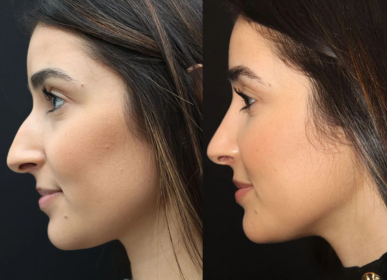
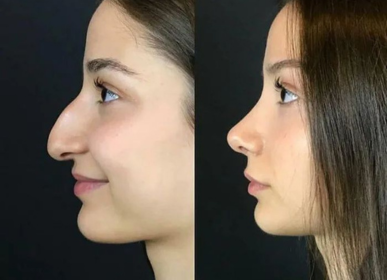
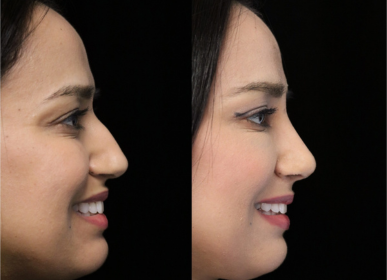
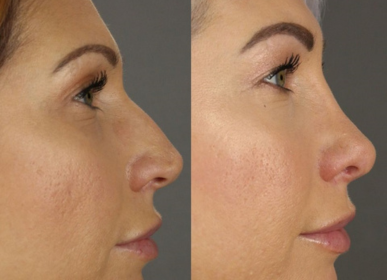
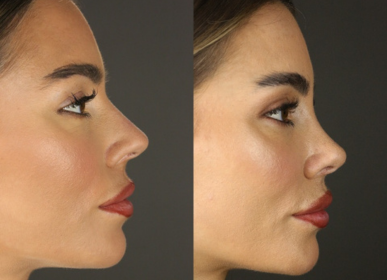
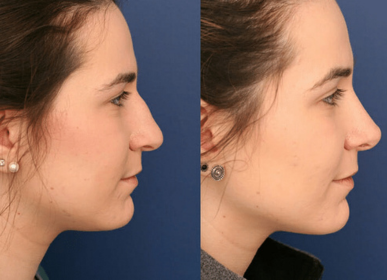
Before / After
Proven Results You Can See
Testimonials