
Skin Pigmentation Treatment – Even Tone and Clearer Skin
Skin pigmentation treatments reduce dark spots, patches, and uneven skin tone. Safe and effective solutions help restore brighter, smoother, and healthier-looking skin.
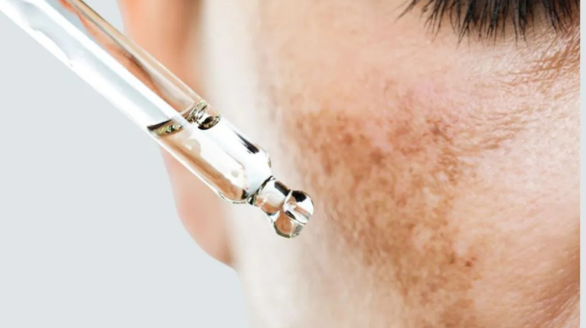
Hyperpigmentation
Hyperpigmentation is a common skin condition in which certain areas become darker than the surrounding skin. This occurs due to an excess production of melanin, resulting in spots or patches that may appear brown, black, gray, red, or pink. While these areas are typically not painful or itchy, they can affect a person’s confidence and self-esteem. With proper skin care, sun protection, and targeted treatments, hyperpigmentation can be effectively managed and improved.
What is Hyperpigmentation?
Hyperpigmentation is a common skin condition where certain areas appear darker than the surrounding skin. The term “hyper” means excess, and “pigment” refers to color.
These darkened spots or patches may look brown, black, gray, red, or pink and are often referred to as age spots, sun spots, or liver spots. Hyperpigmentation can develop in a single area or across multiple areas of the body.
What Causes Hyperpigmentation?
Your skin gets its natural color from melanin, a pigment made by specialized skin cells. When these cells become damaged or overactive, they can produce excess melanin, leading to darker patches or spots.
Common causes of hyperpigmentation include:
Adrenal disorders (e.g., Addison’s disease, where the body makes too little cortisol).
Genetics, such as a family tendency to develop freckles.
Hormonal changes, especially during puberty, pregnancy, or while taking birth control pills.
Skin injury (like acne scars, cuts, or burns), often called post-inflammatory hyperpigmentation.
Medications that increase light sensitivity.
Melasma, a type of pigmentation often linked to hormones and sun exposure.
Vitamin deficiencies, such as low B12 or folic acid.
Sun damage, which often leads to age spots or solar lentigines.
Thyroid disorders, which can affect melanin production.
Does Hyperpigmentation Cause Any Symptoms?
Apart from the appearance of dark spots or patches, hyperpigmentation typically doesn’t cause pain, itching, or discomfort. If you notice pigmentation along with other symptoms, it’s important to consult a dermatologist or your healthcare provider.
Book Your Consultation in Jaipur Today!
How is hyperpigmentation diagnosed?
To identify the cause of hyperpigmentation, a healthcare provider may:
Review your medical history, including when the dark patches first appeared and any medications you’re taking.
Perform a physical examination of your skin.
Use a Wood’s lamp (a special ultraviolet light) to examine the affected areas more closely.
Recommend blood tests to check hormone levels, vitamin and iron deficiencies, and thyroid function.
In some cases, take a small skin biopsy to rule out abnormal skin cells.
How can I cope with age spots, sun spots, liver spots, and other forms of hyperpigmentation?
Hyperpigmentation can sometimes affect confidence, but there are ways to cope and manage it:
Protect your skin from sun damage with sunscreen and protective clothing.
Be patient with treatments — results often take months to show.
Avoid picking at pimples or blemishes to prevent worsening marks.
Connect with support groups or online communities for encouragement.
Remember, hyperpigmentation is very common — you are not alone.
Maintain a good skincare routine with gentle cleansing, exfoliation, and moisturizing.
Should I ever seek medical care for hyperpigmentation?
Yes, consult a dermatologist or healthcare provider if your skin shows unusual symptoms such as:
Redness or inflammation.
Heat or warmth to the touch.
Itching, burning, or pain.
Discharge of blood, pus, or other fluids.
A doctor can rule out underlying conditions and recommend appropriate treatment.
How is hyperpigmentation treated?
Treatment depends on the cause of the pigmentation and your skin type. Your healthcare provider may recommend:
Lifestyle changes
Sun protection: Avoid direct sun exposure, use broad-spectrum sunscreen (SPF 30+), and wear hats or protective clothing.
Medication review: Stopping or changing medicines that may be causing pigmentation.
Nutritional support: Taking vitamins if deficiencies are contributing.
Topical treatments (creams/serums)
Often prescribed or recommended by dermatologists:
Hydroquinone (skin-lightening agent)
Azelaic acid
Kojic acid (reduces melanin production)
Vitamin C or Niacinamide (B3)
Retinoids (Tretinoin)
Chemical exfoliants: Glycolic acid, salicylic acid
Mild corticosteroids (short-term use)
Procedures (for stubborn pigmentation)
Performed by dermatologists or skincare specialists:
Chemical peels
Cryotherapy (freezing spots)
Laser skin resurfacing or pigmented lesion lasers
Can it be treated at home?
Yes, but with caution. Many over-the-counter products claim to lighten pigmentation, but not all are safe or effective. It’s best to consult your dermatologist to choose the right product for your skin type and avoid irritation.
👉 For best results, combine treatments with consistent sun protection — this is the most important step to prevent dark spots from worsening.
How Can I Prevent Hyperpigmentation?
While hyperpigmentation can’t always be completely prevented, you can lower your risk and protect your skin by practicing good sun safety:
Apply sunscreen daily – Use a broad-spectrum sunscreen (blocks both UVA & UVB) with SPF 30 or higher, even on cloudy days.
Reapply regularly – Every 2–3 hours if you’re outdoors, and after swimming or sweating.
Limit sun exposure – Stay in the shade between 10 a.m. and 4 p.m., when the sun is strongest.
Use physical blockers – Choose sunscreens with zinc oxide or titanium dioxide for extra protection.
Wear protective gear – Wide-brimmed hats, sunglasses, and long sleeves help shield skin from harmful rays.
Avoid tanning beds – Artificial UV light can worsen dark spots and increase skin cancer risk.
💡 Tip: Consistent sun protection not only helps prevent hyperpigmentation but also slows down signs of aging and keeps your skin healthier overall.
Book Your Consultation in Jaipur Today!
Frequently Asked Questions
Hyperpigmentation is a common condition where patches of skin become darker than the surrounding area due to excess melanin production.
It can be triggered by sun exposure, acne scars, hormonal changes, certain medications, or skin injuries.
Not always. Some types fade with time or treatment, while others may need consistent care to lighten.
A dermatologist may check your medical history, examine your skin, use a Wood’s lamp, order blood tests, or perform a skin biopsy if needed.
Complete prevention isn’t always possible, but wearing sunscreen daily, limiting sun exposure, and using protective clothing can help reduce risk.
Options include topical creams (like hydroquinone, retinoids, vitamin C), chemical peels, laser therapy, and microdermabrasion—depending on the cause and severity.
If the dark patches are accompanied by redness, itching, pain, or discharge, or if they spread quickly, consult a dermatologist.
Be patient with treatments, avoid picking at your skin, practice good skincare, and remember many people experience it. Support groups or online forums can also help.
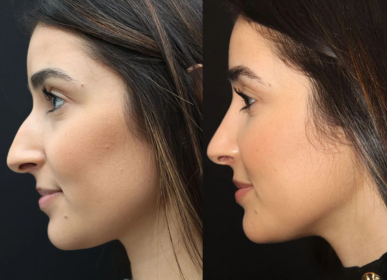
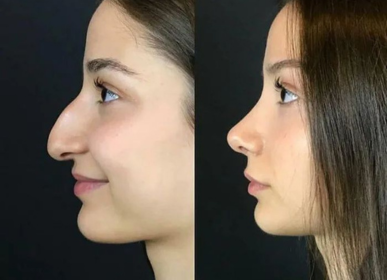
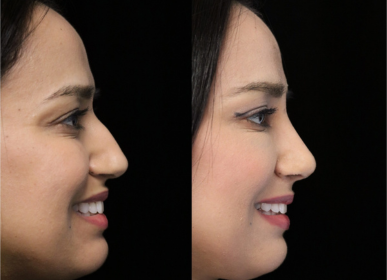
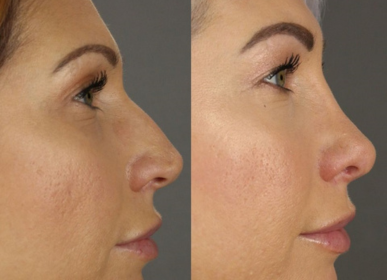
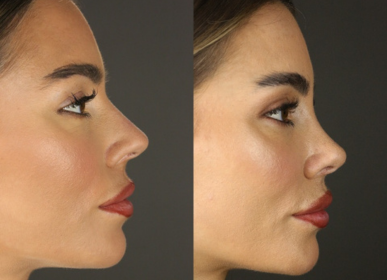
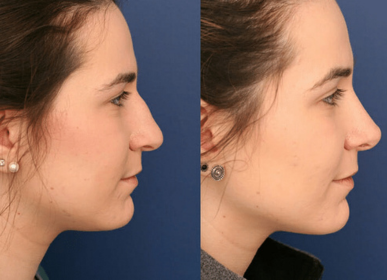
Before / After
Proven Results You Can See
Testimonials