
Scar Treatment – Reduce Marks and Improve Skin Texture
Scar treatment helps fade acne scars, injury marks, and surgical scars. Safe and effective procedures restore smoother, clearer, and healthier-looking skin.
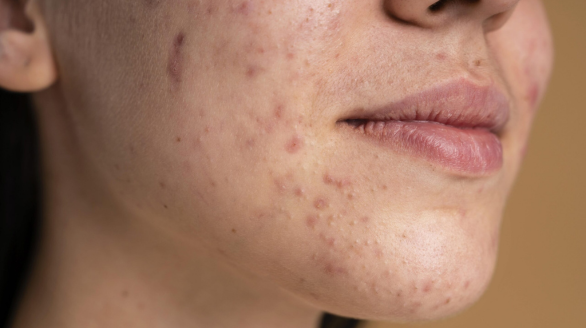
Scars Treatment
Scars are a natural part of the body’s healing process. Whenever the skin is injured—whether due to accidents, surgery, burns, acne, or certain illnesses—the body produces new tissue to repair the wound and close the gap. This new tissue often has a different texture and appearance, leading to visible scars.
What are Scars?
Scars are a natural part of the body’s healing process. When the skin is cut, burned, or damaged, it repairs itself by producing new tissue made mostly of collagen—a protein that strengthens and closes the wound. This repair process can leave a visible mark on the skin, known as a scar.
Scars can appear in many shapes, sizes, and textures. While some are small and hardly noticeable, others may be larger, painful, or raised. Certain individuals—such as those with darker skin tones (African, Asian, or Hispanic heritage) or people with naturally red hair—are more prone to developing keloid scars, which are thick, raised scars that extend beyond the original injury site. Depending on their type, size, and location, scars may not only affect appearance but also limit movement if they form over joints or tight skin areas.
Not every scar requires treatment, and many naturally fade with time. However, if a scar causes discomfort, restricts movement, or impacts self-confidence, various medical treatments are available to help improve its appearance and reduce symptoms.
Signs of a Scar
When a scar first appears, its look and feel can vary depending on skin type and injury.
On lighter skin, fresh scars are usually pink or red and may darken or lighten compared to the surrounding skin over time.
On darker skin, scars often appear as dark patches or spots.
In addition to color changes, scars may sometimes itch, feel tender, or cause pain.
A scar’s appearance is influenced by:
The injury or event that caused it (e.g., surgery, burns, acne).
The wound’s size, depth, and location.
The wound care received (e.g., stitches, bandages).
Age, genetics, skin type, ethnicity, and overall health.
Types of Scars
Scars can form anywhere on the skin, and their appearance depends on how the body heals. Common types include:
Contracture Scars
Develop after burns.
Cause the skin to tighten, sometimes restricting movement if nerves, muscles, or joints are involved.
Depressed (Atrophic) Scars
Sunken scars caused by conditions like acne or chickenpox.
Look like small pits or indentations (e.g., ice pick scars).
May become more visible with age as collagen decreases.
Flat Scars
Initially raised but flatten as they heal.
Usually pink or red at first, later blending into a lighter or darker shade of skin.
Keloid Scars
Thick, raised scars that grow beyond the wound area.
May become large and affect movement.
More common in darker skin types and red-haired individuals.
Hypertrophic (Raised) Scars
Raised scars confined to the wound area (unlike keloids).
Can become smaller over time but rarely flatten completely.
Stretch Marks (Striae)
Develop when skin stretches or shrinks rapidly (pregnancy, puberty, weight changes).
Appear on the stomach, thighs, breasts, or upper arms.
Note: Scarring isn’t limited to the skin. Internal scar tissue can form after surgery (e.g., abdominal adhesions) or from certain conditions like Asherman’s syndrome, Peyronie’s disease, or autoimmune disorders such as scleroderma.
Book Your Consultation Today!
Causes of Scars
Scars form as part of the body’s healing response. When the skin is injured, the immune system triggers the production of collagen fibers to repair damaged tissue and close the wound.
Collagen is a vital protein that helps strengthen the skin, keep it plump, and protect joints through cartilage.
In scar formation, collagen works like a natural “patch,” protecting the wound and preventing infection.
The way collagen is deposited and remodeled during healing determines whether the scar becomes flat, raised, sunken, or stretched.
Treatments for Scars
Scars are permanent, but treatments can make them less noticeable, smaller, and more comfortable. In some cases, treatments can even prevent scars from forming as a wound heals. The right option depends on the scar’s type, size, location, and your skin type.
Common Scar Treatment Options
Dermabrasion
Commonly used for acne scars.
Gently “sands” the top layer of skin, softening and smoothing the surface.
Helps blend the scar with surrounding skin.
Injections
Medications are injected directly into the scar.
Corticosteroid injections can flatten and shrink keloid scars.
Other drugs (such as bleomycin or fluorouracil) may reduce itching, pain, and thickness of scars.
Laser and Light Treatments
Use focused light to remodel scar tissue and improve skin tone.
Pulsed dye laser (V-beam, 595 nm) targets excess blood vessels, helping red or pink scars fade.
Fraxel and similar lasers break up collagen fibers, encouraging smoother, more flexible skin.
Can also relieve scar-related pain, itching, and sensitivity.
Note: In people with darker skin, laser therapy may cause hyperpigmentation (darkening) or hypopigmentation (lightening).
Pressure Therapy & Massage
Applying elastic bandages, dressings, or stockings puts pressure on wounds while healing.
Can reduce or prevent scar formation.
Gentle scar massage therapy may also break up tissue and promote remodeling.
Scar Revision Surgery
Surgical techniques can:
Remove or reposition scars.
Improve their appearance.
Use skin grafts (transplanting skin from another area) for severe scarring.
This approach replaces one scar with a less noticeable or better-aligned one.
Topical Treatments
Silicone gels, ointments, or sheets may flatten or reduce scar visibility.
Corticosteroid creams help shrink raised scars.
For darker skin, skin-lightening creams (e.g., hydroquinone) may reduce dark pigmentation.
✅ Important Note:
Not every treatment is suitable for every skin type or scar. A dermatologist or specialist can assess your scar and recommend the most effective and safe treatment plan for you.
Can Scars Be Prevented?
While it’s not always possible to prevent injuries that cause scars, proper wound care can reduce the risk of scarring or make scars less noticeable. Following the right steps after an injury helps your skin heal more smoothly.
Tips to Reduce the Risk of Scarring
See a Healthcare Provider
If a wound looks deep, wide, or may scar, seek medical care.
Stitches or special bandages can help the skin close properly and minimize scarring.
Follow your provider’s wound care instructions carefully.
In some cases, antibiotics (oral or topical) may be prescribed to prevent infection.
Clean the Wound
Gently wash with mild soap and water.
Remove dirt, debris, or dried blood.
Cover the wound with a clean bandage to block germs.
Change dressings regularly as the wound heals.
Keep the Wound Moist
Apply petroleum jelly or use moist burn pads.
Prevents scabbing, which can increase scarring.
Protect from Sun Exposure
Cover the healing skin or apply sunscreen (SPF 30 or higher).
Sunlight can darken scars, making them more noticeable.
Repeated exposure also raises the risk of skin cancer.
Maintain Good Nutrition
Adequate protein supports tissue repair.
Vitamins C and D are vital for collagen production and skin healing.
Eating a balanced, nutrient-rich diet can improve recovery and minimize scarring.
✅ Key Takeaway: Early and careful wound care is the best way to prevent or reduce scars. If a scar is already forming and causes concern, consult a dermatologist for treatment options.
Book Your Consultation Today!
Frequently Asked Questions
No, scars are permanent. However, modern treatments can make them much less noticeable, smoother, and more comfortable.
Most scars fade within 6–12 months, though some may take longer depending on the type, severity, and your skin type.
Common options include laser therapy, microneedling, chemical peels, and dermabrasion. The best choice depends on the depth and type of acne scars.
Most treatments are safe, but people with darker skin tones may be at higher risk for pigmentation changes after procedures like laser therapy. A dermatologist will recommend the safest option.
Silicone gels or sheets have proven benefits in flattening and reducing scars. Other OTC creams may help with skin hydration and appearance but usually have limited impact on established scars.
Keloid scars grow beyond the wound area and can become large and raised.
Hypertrophic scars are raised but remain within the wound boundary.
Yes. Treatments such as silicone sheets, steroid injections, or minor procedures may be suitable for younger patients, depending on the scar type. Always consult a dermatologist first.
Clean the wound gently.
Keep it moist with petroleum jelly.
Protect it from the sun.
Follow your doctor’s advice if stitches or dressings are needed.
These steps reduce the risk of scarring or make scars less visible.
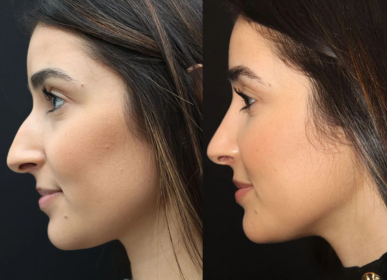
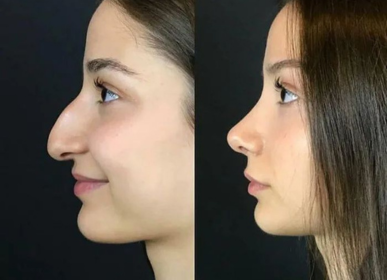
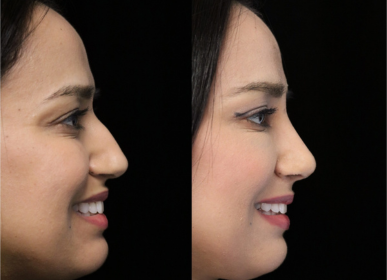
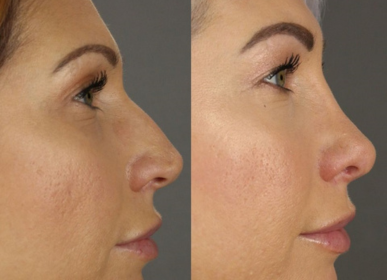
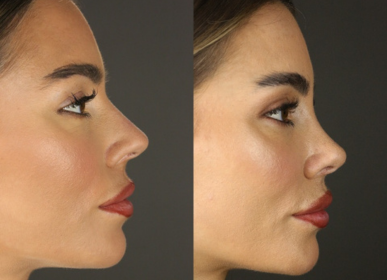
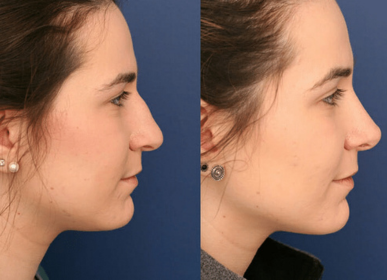
Before / After
Proven Results You Can See
Testimonials