
Chemical Peels – Brighten, Smooth, and Refresh Your Skin
Chemical peels remove dead skin cells, reduce dark spots, and smooth fine lines. A safe and effective treatment for clearer, glowing, and youthful-looking skin.
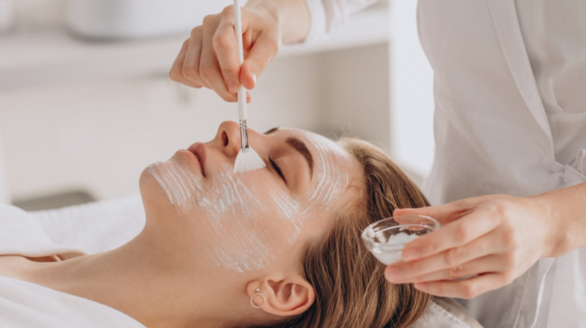
Chemical Peel
A chemical peel is a skin treatment where a chemical solution is applied to exfoliate and remove the outer layers of skin, allowing new, smoother skin to regenerate. Light or medium peels may require multiple sessions to achieve optimal results.
This procedure is commonly used to improve the appearance of wrinkles, uneven skin tone, and scars, particularly on the face. Chemical peels can be performed alone or in combination with other cosmetic treatments. They are available in varying depths—from light to deep—where deeper peels provide more noticeable improvements but involve a longer recovery period.
What is a Chemical Peel?
A chemical peel, also known as chemexfoliation or dermapeeling, is a skin rejuvenation treatment that uses a chemical solution to improve the skin’s appearance. When applied, the solution gently exfoliates by causing the top layers of skin to peel away, revealing fresher, healthier skin beneath. The newly revealed skin is typically smoother, brighter, more even-toned, and shows fewer signs of aging such as fine lines and wrinkles.
What Skin Concerns Can a Chemical Peel Treat?
Chemical peels are often performed on the face, neck, or hands to enhance skin tone and texture. They can effectively improve:
Fine lines and wrinkles, especially around the eyes and mouth, caused by aging, sun damage, or genetics.
Certain types of acne.
Mild scarring.
Uneven skin tone, freckles, sunspots, age spots, and pigmentation issues.
Precancerous scaly patches (actinic keratosis).
Rough or dull skin with scaly patches.
Dark patches (melasma), often linked to pregnancy or hormonal changes.
Your dermatologist will recommend the depth of peel best suited for your skin type and goals.
What Chemical Peels Cannot Treat
While chemical peels are effective for surface-level concerns, they are not suitable for deeper issues such as significant sagging, deep scars, or pronounced wrinkles. In such cases, treatments like laser resurfacing, facelifts, brow lifts, eyelid surgery, or dermal fillers may provide better results. A dermatologic surgeon can guide you toward the most effective treatment for your needs.
Is a chemical peel good for all skin types?
Superficial chemical peels can generally be used on all skin types. However, individuals with darker skin tones may have a higher risk of developing post-inflammatory hyperpigmentation (darkening of the skin after treatment). If you have naturally darker skin, it’s best to consult a dermatologist, who may suggest less aggressive treatment options to minimize this risk.
Chemical peels may not be recommended if you:
Have a history of abnormal skin scarring.
Tend to develop scars with extra pigmentation.
Have certain skin conditions or are taking medications that increase skin sensitivity.
Cannot avoid sun exposure during the healing process.
Book Your Consultation Today!
Why It's Done
A chemical peel is a skin-resurfacing treatment designed to improve the appearance and texture of your skin. Depending on your skin concerns, chemical peels are available in three different depths:
1. Light Chemical Peel (Superficial Peel)
Targets the outermost layer of skin (epidermis).
Helps improve fine lines, mild acne, uneven skin tone, and dryness.
Can be repeated every 2–5 weeks for ongoing results.
2. Medium Chemical Peel
Removes skin cells from both the epidermis and the upper layer of the dermis.
Effective for moderate wrinkles, acne scars, and uneven pigmentation.
May require repeat sessions to achieve or maintain desired outcomes.
3. Deep Chemical Peel
Penetrates deeper layers of skin for more dramatic improvement.
Recommended for pronounced wrinkles, deeper scars, or precancerous growths.
Provides long-lasting results, usually without the need for repeat treatments.
👉 Note: While chemical peels can significantly improve skin appearance, they cannot eliminate deep scars, very deep wrinkles, or tighten loose, sagging skin.
How to Prepare for a Chemical Peel
Choosing the right provider is key. Chemical peels should only be performed by an experienced dermatologist or dermatologic surgeon. When done incorrectly, the procedure can lead to complications like infection or permanent scarring.
Before your peel, your doctor will likely:
Review your medical history – You’ll be asked about past and current health conditions, medications, and any cosmetic treatments you’ve had.
Examine your skin – The doctor will check the area to be treated, your skin type, and thickness to determine the right peel for you.
Discuss your goals & expectations – This includes how many treatments you may need, how long healing might take, and the results you can realistically expect.
Pre-treatment steps you may need to follow:
Antiviral medication – If you’re prone to cold sores, your doctor may prescribe antiviral medication before and after your peel to prevent flare-ups.
Topical creams – You may be advised to use retinoid creams (like tretinoin) or bleaching agents (like hydroquinone) for a few weeks before treatment to improve results and reduce risks.
Sun protection – Avoid unprotected sun exposure before and after the procedure, as it can cause uneven skin tone in treated areas. Always use sunscreen.
Avoid certain treatments – About a week before your peel, stop using hair removal methods (like electrolysis or depilatories), facial scrubs, masks, or harsh cosmetic treatments. Don’t shave the treatment area for at least 24 hours before your appointment.
Arrange transportation – If you’ll be given sedation during your peel, plan to have someone drive you home.
What to Expect with a Chemical Peel
Before the Procedure
A chemical peel is usually done in a dermatologist’s office or outpatient clinic. Before starting, your doctor will:
Cleanse your face.
Protect your hair.
Shield your eyes with ointment, gauze, tape, or goggles.
Pain relief depends on the peel type:
Light peel: Usually no anesthesia is needed.
Medium peel: You may receive a sedative and pain medication.
Deep peel: You’ll likely be sedated, numbed, and given IV fluids. Your heart will also be monitored during the procedure.
During the Procedure
Light Peel
A chemical solution (often glycolic or salicylic acid) is applied with a brush, sponge, or gauze.
The treated skin will whiten, and you may feel mild stinging.
The solution is then neutralized or washed off.
Medium Peel
A solution with trichloroacetic acid (sometimes combined with glycolic acid) is applied.
The skin whitens, followed by stinging or burning for up to 20 minutes.
Cool compresses and sometimes a fan are used to soothe your skin. No neutralizer is required.
Deep Peel
You’ll receive IV fluids, and your heart will be monitored.
Carbolic acid (phenol) is applied, turning the skin white or gray.
To avoid high exposure to phenol, the doctor treats the skin in 15-minute intervals. A full-face peel may take 90 minutes.
After the Procedure
Regardless of peel depth, your skin will feel red, tight, irritated, or swollen. You’ll need to follow your doctor’s instructions for cleansing, moisturizing, applying ointments, and avoiding sun exposure. Never pick or scratch your skin while it heals.
After a Light Peel
Mild redness, dryness, and irritation for 1–7 days.
Makeup can usually be worn the next day.
New skin may appear slightly lighter or darker at first.
After a Medium Peel
Redness, swelling, and stinging for 7–14 days.
Skin may crust, darken, or form blotches before healing.
Makeup can be worn after about 5–7 days.
Redness may last for several months.
Over-the-counter pain relievers and ice packs can help.
After a Deep Peel
Severe redness, swelling, burning, and throbbing.
Eyelids may swell shut temporarily.
A surgical dressing is applied, and prescription pain medicine may be needed.
You’ll need to soak and apply ointment several times a day for about 2 weeks.
New skin forms in about 2 weeks, but redness may last for months.
Skin may become lighter or darker permanently and may not tan again.
Several follow-up visits are usually required.
Results
Light Peel: Subtle improvements in skin tone, texture, and fine wrinkles. Best results with repeated treatments.
Medium Peel: Smoother, more even-toned skin with noticeable improvements.
Deep Peel: Dramatic results in reducing wrinkles, scars, and pigmentation — though redness may persist for months.
👉 Results are not permanent. Natural aging and new sun exposure can cause new wrinkles and pigmentation. After any peel, your new skin will be more sensitive to sunlight, so daily sunscreen use is essential.
Risks of Chemical Peel
While chemical peels are generally safe when performed by a qualified professional, they do carry some potential risks and side effects. These may include:
Redness, scabbing & swelling – Mild redness is common and part of the healing process. For medium or deep peels, redness may last for weeks or even a few months.
Scarring (rare) – In some cases, scarring can occur, especially on the lower face. Medications like antibiotics or steroids may be prescribed to reduce its appearance.
Changes in skin color – The treated skin may become darker (hyperpigmentation) or lighter (hypopigmentation). This is more common in people with darker skin tones and may sometimes be permanent.
Infection – Peels can occasionally trigger bacterial, fungal, or viral infections, such as cold sore flare-ups in those with a history of herpes simplex virus.
Organ complications (for deep peels) – Deep peels that use carbolic acid (phenol) can affect the heart, liver, or kidneys. To reduce this risk, the treatment is performed in stages with time gaps.
Who Should Avoid a Chemical Peel?
You may not be a good candidate if you:
Have taken oral acne medication isotretinoin in the past 6 months
Have a personal or family history of keloids (raised scars)
Are pregnant
Experience frequent or severe cold sores
Book Your Consultation in Jaipur Today!
Frequently Asked Questions
Yes, redness, scabbing, and swelling are common side effects. For medium or deep peels, redness can last for several weeks to months.
Scarring is rare but possible, especially on the lower face. If scars occur, medications like antibiotics and steroids can help reduce their appearance.
Yes, peels may cause hyperpigmentation (darker skin) or hypopigmentation (lighter skin). Hyperpigmentation is more common with superficial peels, while hypopigmentation may occur with deep peels.
Yes, individuals with brown or black skin are more likely to experience pigmentation changes, which can sometimes be long-lasting.
Yes, there’s a risk of bacterial, fungal, or viral infections. Cold sore flare-ups due to herpes virus are one of the more common viral risks.
Deep peels use phenol, which can affect the heart, kidneys, and liver. That’s why they are performed in short intervals under strict medical supervision.
People who are pregnant, have a history of keloids, frequent cold sores, or have taken isotretinoin in the past six months should avoid them.
By consulting a qualified dermatologist, sharing your medical history, and following pre- and post-peel instructions carefully, risks can be significantly reduced.
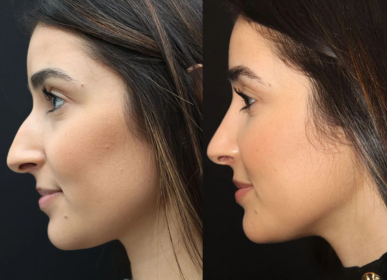
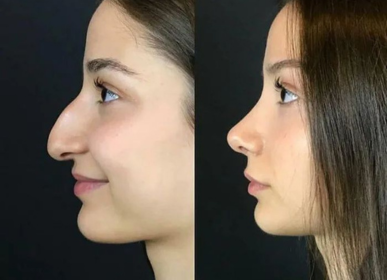
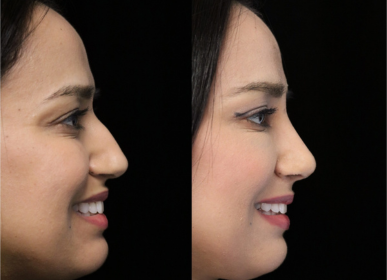
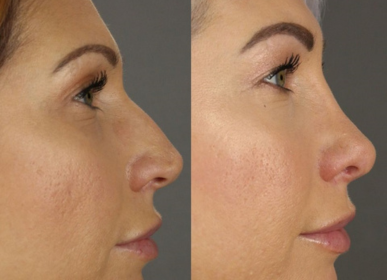
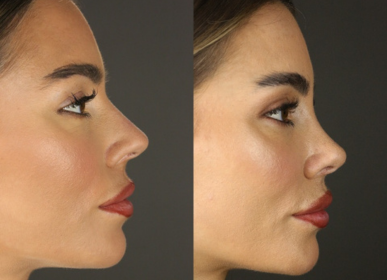
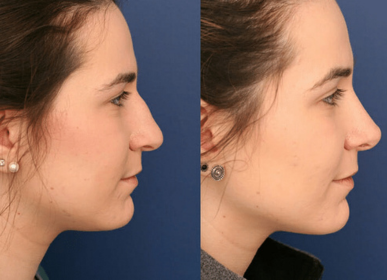
Before / After
Proven Results You Can See
Testimonials