
HIFU Specialist for Non-Surgical Skin Tightening and Facial Rejuvenation
HIFU (High-Intensity Focused Ultrasound) treatments lift, firm, and tighten sagging skin while stimulating collagen production for a youthful, natural-looking appearance without surgery.

High-Intensity Focused Ultrasound (HIFU)
High-Intensity Focused Ultrasound (HIFU) is a minimally invasive treatment that uses powerful, focused ultrasound waves to target specific tissues in the body. These highly concentrated sound waves can safely modify or destroy unwanted tissue without affecting the surrounding areas. HIFU is commonly used for treating tumors, uterine fibroids, and certain movement disorders like tremors.
What is High-Intensity Focused Ultrasound (HIFU)?
High-Intensity Focused Ultrasound (HIFU) is a minimally invasive medical procedure that uses powerful, focused ultrasound waves to target and treat specific tissues in the body. Unlike regular ultrasound, which creates images of internal organs, HIFU does not produce pictures. Instead, it delivers highly concentrated energy to the targeted tissue, increasing its temperature and safely destroying or modifying it without affecting surrounding areas.
Think of it like a magnifying glass focusing sunlight onto a single point—HIFU precisely directs ultrasound energy to the exact area that needs treatment. The ultrasound waves pass harmlessly through outer layers of tissue, such as the skin, until they reach their target.
HIFU procedures are usually guided by imaging techniques such as MRI or ultrasound to ensure accurate targeting. One advanced version of this treatment is called Magnetic Resonance-guided Focused Ultrasound (MRgFUS).
What Conditions Can HIFU Treat?
HIFU is used to treat a variety of medical conditions, including:
Tumors (cancerous and noncancerous):
Bones
Brain
Breast
Connective tissues
Esophagus
Kidney
Liver
Pancreas
Prostate
Other conditions:
Uterine fibroids
Essential tremor not managed by medication
Parkinson’s disease with tremor as a main symptom
Pain from metastatic bone growth
Thyroid nodules
Researchers are also exploring other potential uses for HIFU in medicine.
Why is HIFU Used?
HIFU is chosen because it is non-invasive, precise, and generally safer than traditional treatments like surgery or radiation. However, it is not suitable for every condition. For example, HIFU for prostate cancer works best for early-stage, low-grade tumors that are clearly visible on imaging scans. Tumors that have spread or are difficult to locate may not be treatable with HIFU.
Book Your Consultation in Jaipur Today!
Treatment Details
Before a HIFU Procedure
Before undergoing a HIFU procedure, you will typically need an imaging test such as an MRI or ultrasound. These scans help your healthcare provider accurately locate the tissue that needs treatment. You will also receive specific instructions to prepare for the procedure, which should be followed carefully to ensure optimal results.
During a HIFU Procedure
The procedure may vary depending on the condition being treated, but generally follows these steps:
You will lie on an exam table or sit in a chair designed for the procedure.
The provider may use a stabilizing device to keep the targeted area still—for example, a head frame for tremor treatment or a breast stabilizer.
Depending on the treatment, you may be fully awake, lightly sedated, or under general anesthesia.
Imaging (ultrasound or MRI) is used to pinpoint the exact location of the tissue to be treated.
The HIFU probe is positioned over the target area. For prostate treatments, the probe may be inserted into the rectum.
A test dose of ultrasound energy is delivered to the tissue center.
The provider adjusts the power and depth of the ultrasound beams as needed.
Bursts of ultrasonic energy are delivered to destroy the targeted tissue.
Imaging is used to confirm that the treatment is successful.
Most HIFU treatments require only a single session.
Benefits of HIFU
Non-invasive: No surgical incisions or radiation are involved.
Precision: Targets only diseased tissue while sparing healthy tissue.
Quick recovery: Often an outpatient procedure with minimal downtime.
Fewer side effects compared to more invasive treatments like chemotherapy, radiation, or surgery.
Recovery and Outlook
Recovery after HIFU is usually faster than with traditional surgical treatments. Most patients can return to their normal activities within a few days. The exact recovery time depends on the treated condition, the area of treatment, and individual health factors. Your healthcare team will provide guidance on what to expect and how to care for yourself following the procedure.
Complications (Rare)
While HIFU is generally safe, complications are rare but can include:
Skin burns (uncommon)
Urinary issues or erectile dysfunction (for prostate treatments)
Temporary discomfort or swelling
Always discuss potential risks with your healthcare provider before the procedure.
Book Your Consultation in Jaipur Today!
Frequently Asked Questions
HIFU (High-Intensity Focused Ultrasound) is a minimally invasive medical procedure that uses focused ultrasound waves to target and destroy specific tissue without affecting surrounding areas.
HIFU works by concentrating ultrasound energy on a targeted area, causing the tissue to heat up and ablate (destroy) the cells. This process can stimulate collagen production and tissue regeneration in cosmetic treatments or destroy tumors in medical treatments.
HIFU is used to treat certain benign and malignant tumors (in the prostate, liver, kidney, breast, and bones), uterine fibroids, essential tremors, thyroid nodules, and some cosmetic concerns like skin laxity and wrinkles.
Most patients experience only mild discomfort or a warm sensation during the procedure. Local anesthesia or light sedation may be used depending on the treatment area.
The duration varies depending on the treatment area and condition but usually ranges from 30 minutes to 2 hours. Most patients require only a single session.
HIFU is generally safe with minimal risks. Rare side effects can include skin burns, temporary swelling, or urinary issues (for prostate treatments). Severe complications are uncommon.
Recovery is usually quick, with most patients resuming normal activities within a few days. The exact timeline depends on the treatment type and individual health factors.
For cosmetic uses like skin tightening, improvements may appear gradually over 2–6 months as collagen regenerates. For medical treatments like tumor ablation, results are monitored via imaging over several weeks to months.
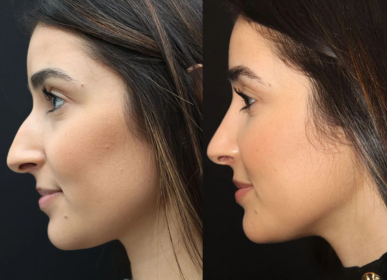
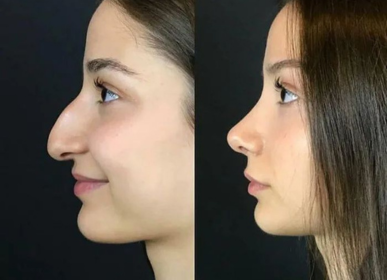
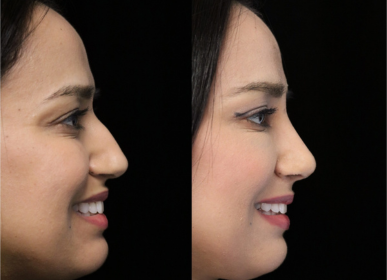
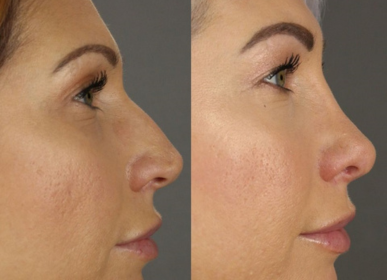
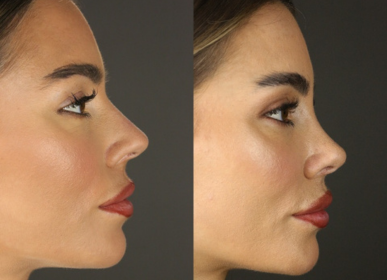
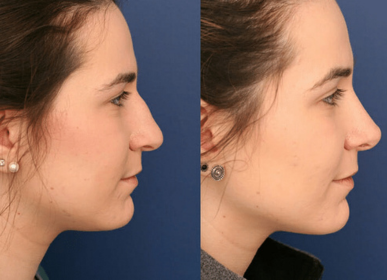
Before / After
Proven Results You Can See
Testimonials