
Hair Transplant – Restore Natural Hair Growth Safely
A hair transplant moves healthy hair follicles to thinning or bald areas for natural, permanent results. A safe and effective solution for fuller, thicker hair.
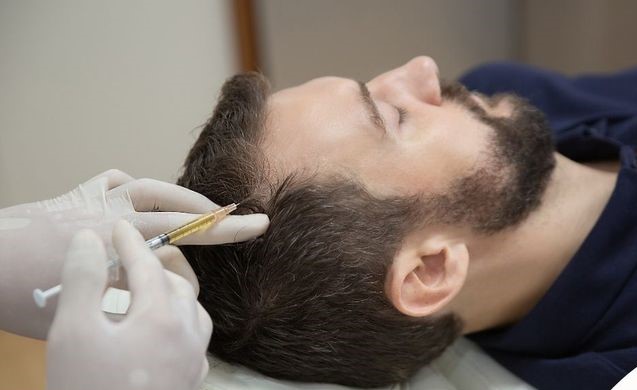
Hair Transplant
A hair transplant is a surgical procedure that moves hair from one part of your scalp (usually the thicker, fuller areas) to areas with thinning or no hair. The most common method is hair grafting, where small groups of hair follicles are transplanted to the balding area. People may consider a hair transplant if they experience permanent hair loss caused by conditions such as androgenetic alopecia (pattern baldness) or other types of hair loss. To be a good candidate, you generally need healthy hair growth in donor areas.
What is a Hair Transplant?
A hair transplant is a surgical procedure that moves hair to areas of the scalp that are thinning or bald. Also called hair restoration or hair replacement, it is usually considered when other hair loss treatments have not worked. Dermatologists or plastic surgeons typically perform the procedure.
How Does a Hair Transplant Work?
During a hair transplant, the surgeon takes small sections of skin with healthy hair, called grafts, from a donor site—usually the back or sides of your scalp where hair is thickest. These grafts are then transplanted to the bald or thinning areas. After the grafts heal, the transplanted hair continues to grow naturally.
Difference Between FUE and FUT Hair Transplants
- FUT (Follicular Unit Transplantation)
In FUT, a strip of scalp with healthy hair is removed from the donor area, usually at the back of the head. This strip is then divided into small grafts and implanted into the balding areas, typically where male pattern baldness is most prominent. - FUE (Follicular Unit Extraction)
In FUE, the donor area (commonly the back of the head) is shaved, and individual hair grafts are extracted one by one. Each graft usually contains 2–3 hair follicles. The procedure is often performed manually by a dermatologist or hair surgeon with local anesthesia and anesthetist supervision.
What Conditions Can Hair Transplant Treat?
Hair transplants are used to treat permanent hair loss caused by:
Alopecia areata: An autoimmune condition that attacks hair follicles.
Androgenic alopecia: Also called pattern baldness.
Hormonal or thyroid imbalances.
Traumatic injuries or burns.
Different Hair Transplants

FUT Hair Transplant
Tempore, ultrices morbi accusamus eos quos natus justo totam, quidem.

FUE Hair Transplant
Tempore, ultrices morbi accusamus eos quos natus justo totam, quidem.

Bio DHT Hair Transplant
Tempore, ultrices morbi accusamus eos quos natus justo totam, quidem.

Bio FUE Hair Transplant
Tempore, ultrices morbi accusamus eos quos natus justo totam, quidem.
Book Your Consultation in Jaipur Today!
Types of Hair Transplant Surgery
Hair transplant surgery can be performed in several ways, including:
Grafting
Scalp Reduction
Flap Surgery
Tissue Expansion
1. How is Grafting Performed?
Grafting is the most common method. Small pieces of scalp containing healthy hair are removed, often using a tiny round punch. These grafts, sometimes called “hair plugs,” may contain 1–15 hairs. Micro-grafts have 1–2 hairs.
The procedure usually takes several hours. Most patients stay awake, with local anesthesia to numb the scalp. Multiple sessions may be needed depending on how much hair is transplanted, with a few months of healing between procedures.
2. How is Scalp Reduction Performed?
Also called alopecia reduction, this method involves removing a small area of bald scalp. The surrounding skin with hair is stretched over the bald spot and stitched in place.
Scalp reduction is ideal for bald areas on the top or back of the head and can be combined with grafting for better coverage. Local anesthesia is typically used.
3. How is Flap Surgery Performed?
Flap surgery is used for large bald areas, especially at the front of the scalp. The surgeon creates a flap of scalp with hair by making cuts on three sides, keeping one side attached to maintain blood supply. The flap is then repositioned over the bald area.
This procedure usually requires general anesthesia and is done in multiple stages over several weeks.
4. How is Tissue Expansion Performed?
Tissue expansion is used for baldness or scalp damage due to burns. A balloon-like implant (tissue expander) is placed under the scalp with hair. Over several weeks, the expander is gradually inflated to stretch the skin. The stretched skin is then used to cover the bald area. This method requires general anesthesia and multiple steps.
Recovery Process After Hair Transplant Surgery
Most hair transplants are outpatient procedures, so you can usually go home the same day. Recovery depends on the type of transplant performed, but a general timeline is:
Day 1: Remove bandages.
Day 2: Gently wash your hair.
Days 3–5: Resume work and light activities.
After 10 days: Stitches (if any) are removed by your healthcare provider.
After 3 weeks: Gradually return to exercise or sports.
During recovery, it’s important to follow your surgeon’s instructions carefully to ensure proper healing and the best results.
Risks and Side Effects
Risks of Hair Transplant Surgery
Hair transplant surgery carries the following risks:
Allergic reaction to anesthesia
Excessive bleeding
Failed grafts or flaps
Infection
Temporary or permanent loss of scalp sensation
Scarring
Side Effects of Hair Transplant Surgery
Most side effects are temporary and include:
Scabs or crusts on the scalp
Itching
Loss of sensation
Pain or throbbing
Swelling
Tightness in the scalp
Book Your Consultation in Jaipur Today!
Frequently Asked Questions
A hair transplant is a surgical procedure that moves healthy hair from a donor area to bald or thinning areas of the scalp.
Candidates are usually in good health, have realistic expectations, and have areas of thick hair on their scalp for donor grafts.
The two most common types are:
FUT (Follicular Unit Transplantation): A strip of scalp is taken and divided into grafts.
FUE (Follicular Unit Extraction): Individual hair grafts are extracted and implanted.
Depending on the procedure and number of grafts, it can take several hours, sometimes spread over multiple sessions.
Most patients can go home the same day. Bandages are usually removed on day 1, hair can be washed on day 2, stitches removed after 10 days (for FUT), and normal activities can resume after 3 weeks.
Yes. Risks include infection, scarring, failed grafts, bleeding, swelling, and temporary loss of sensation on the scalp.
FUT: A strip of scalp is taken and grafted into bald areas. May leave a linear scar.
FUE: Individual grafts are extracted and implanted. Less visible scarring, but takes longer.
Transplanted hair typically falls out initially, and new growth starts within 3–4 months. Full results are usually visible within 9–12 months.
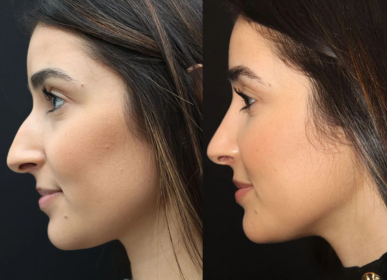
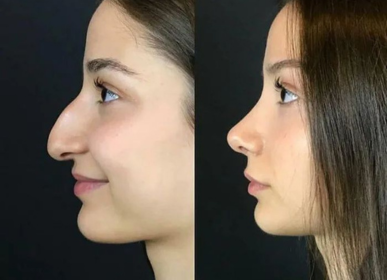
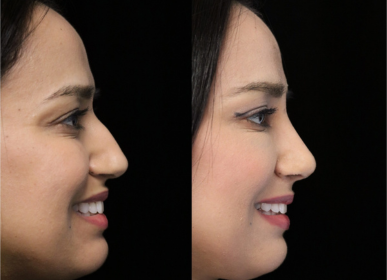
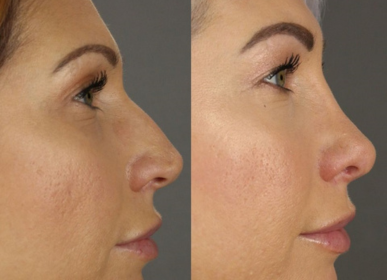
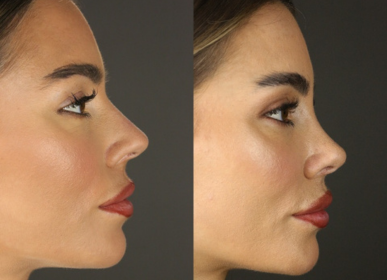
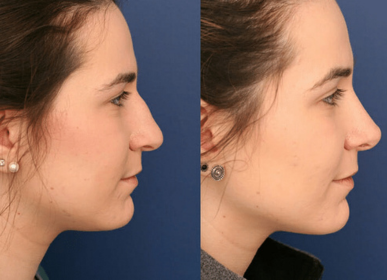
Before / After
Proven Results You Can See
Testimonials