
Testicular Implant – Restore Natural Appearance and Confidence
Testicular implant surgery replaces a missing or damaged testicle to restore normal appearance. A safe and effective solution for improved self-esteem and body symmetry.

Prosthetic Testicle
A testicular prosthesis is an implant placed in the empty scrotum. It is an option for individuals who were born without a testicle or who have lost one due to injury or medical conditions. While it does not function like a natural testicle, it can help restore the appearance of the scrotum. The procedure is typically quick, lasting less than an hour, and most people feel comfortable within a week.
What is a Prosthetic Testicle?
A prosthetic testicle is an artificial device that replaces a missing testicle. It is used when a testicle is absent from birth or has been surgically removed due to injury, disease, or orchiectomy. The prosthetic fills the empty space in the scrotum—the sac behind the penis that normally holds the testicles.
A prosthetic testicle does not perform any functions of a real testicle: it does not produce sperm or testosterone. Many people choose a prosthetic testicle after losing a testicle later in life, while it’s less commonly requested by those born without one.
Other names for a prosthetic testicle include:
Testicular prosthesis
Testicular implant
Artificial testicle
Purpose of a Prosthetic Testicle
The primary purpose of a prosthetic testicle is cosmetic and psychological. It helps improve appearance and can boost self-confidence. Missing a testicle does not affect the ability to have an erection, engage in sexual intercourse, or father children, but many people opt for a prosthetic to feel more comfortable with their body.
Can You Get a Metal Testicle?
Historically, testicular prostheses have included metals such as vitallium—a cobalt-chromium-molybdenum alloy—used in the 1940s. Today, metal is rarely used. Modern prosthetic testicles are typically made of silicone rubber and filled with either silicone gel or saline, which provides a more natural look and feel.
What Does an Artificial Testicle Look Like?
Most prosthetic testicles resemble translucent or clear eggs and mimic the weight, shape, and feel of a natural testicle. They come in different sizes to best match your body and achieve a natural appearance.
Characteristics of a Good Testicular Prosthesis
An ideal prosthetic testicle should:
Be chemically inert to avoid reactions with your body.
Not trigger inflammation in surrounding tissue.
Resist mechanical stress without putting pressure on the scrotum.
Be sterile to reduce infection risk.
Maintain a natural shape, appearance, and subtle movement.
Be comfortable during everyday activities like sitting, walking, or exercising.
Conditions Treated with a Testicular Prosthesis
A prosthetic testicle can replace a missing testicle caused by:
Congenital absence or malformation.
Untreated testicular torsion.
Undescended testicles.
Epididymitis.
Testicular cancer or surgical removal.
Book Your Consultation in Jaipur Today!
How Do You Replace a Missing Testicle?
If you’re considering a prosthetic testicle, it’s essential to consult a urologist who specializes in testicular prosthesis implantation. A urologist is a doctor who focuses on diagnosing and treating conditions affecting the urinary and reproductive systems. During your consultation, your urologist will answer your questions, assess your health, and explain the procedure in detail.
Procedure Overview:
The implantation of a testicular prosthesis is a relatively straightforward procedure that usually takes less than an hour. It can be performed under either general anesthesia, which puts you to sleep and ensures you feel no pain, or local anesthesia, which numbs your scrotum and surrounding areas.
Incision: The surgeon makes a small incision in the lower groin or the upper scrotum.
Creating a Pouch: A pocket is carefully formed in the scrotum to hold the prosthetic testicle.
Implant Placement: The prosthetic testicle is inserted and positioned correctly in the scrotum.
Closure: The incision is closed with sutures.
This is usually an outpatient procedure, meaning you can return home the same day. However, if you receive general anesthesia, you should have a family member or friend drive you home.
Age Considerations:
For children born without a testicle or who had one removed shortly after birth, prosthetic testicles can typically be implanted between the ages of 1 and 3.
Benefits of Testicular Prostheses:
Durability: Prosthetic testicles can last a lifetime.
Safety: The procedure is generally safe with a low risk of complications.
Confidence: A prosthetic testicle can significantly improve body image and self-esteem.
Recovery and Postoperative Care:
After the procedure, some soreness, pain, or tenderness in the scrotum may persist for 24–48 hours. Your doctor will prescribe pain medication as needed. Bandages typically remain in place for a few days, and supportive garments may be recommended. Most patients can urinate comfortably soon after surgery.
You should avoid heavy lifting, cycling, or strenuous physical activity for about a month. Your doctor may prescribe antibiotics if there is a higher risk of infection.
Resuming Sexual Activity:
It is advisable to wait one to two weeks before engaging in sexual activity, including masturbation, to allow proper healing.
Potential Risks and Complications:
Although the procedure is safe, some risks exist, including:
Infection at the surgical site
Hematoma (blood pooling in the scrotum)
Scarring around the implant
Prosthesis shifting or moving out of position
Rupture or leakage of the prosthetic
Expulsion of the prosthesis, usually associated with infection
Dissatisfaction with cosmetic appearance
Who Is at Higher Risk for Complications?
Certain conditions can increase the likelihood of complications, such as:
Diabetes or a suppressed immune system
Existing infections elsewhere in the body
Prior surgery on the scrotum
Book Your Consultation Today!
Frequently Asked Questions
A prosthetic testicle is an artificial implant that replaces a missing testicle in the scrotum. It does not produce sperm or hormones and is mainly used to improve appearance and boost self-confidence.
Anyone who was born without a testicle, lost one due to injury, infection, or surgery, or had it removed for medical reasons such as cancer can be a candidate for a prosthetic testicle.
A urologist makes a small incision in the scrotum or groin, creates a pouch for the implant, inserts the prosthetic, and closes the incision with sutures. The procedure is usually performed under general or local anesthesia.
Children who are born without a testicle or have one removed shortly after birth can typically receive a prosthetic testicle between ages 1 and 3.
The surgery itself is painless because anesthesia is used. After the procedure, mild pain, soreness, or tenderness in the scrotum is normal for the first 24–48 hours and can be managed with prescribed pain medication.
Benefits include improved appearance, enhanced self-confidence, natural feel and shape, and a long-lasting implant that can provide psychological comfort.
Possible complications include infection, bleeding, scarring, hematoma (blood pooling), implant shifting, rupture or leakage, and dissatisfaction with cosmetic appearance. People with diabetes, immune system issues, or prior scrotal surgery are at higher risk.
Recovery typically takes a few days to a week for basic activity, but strenuous activities like heavy lifting, cycling, or exercise should be avoided for about a month. Sexual activity can usually resume after 1–2 weeks. Supportive garments and bandages are worn as advised by your doctor.
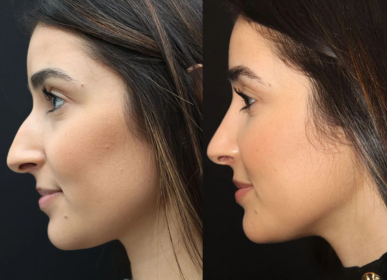
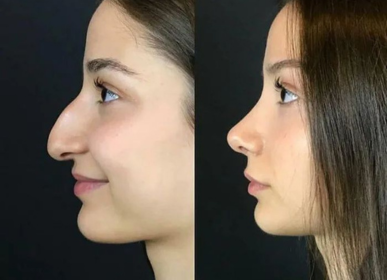
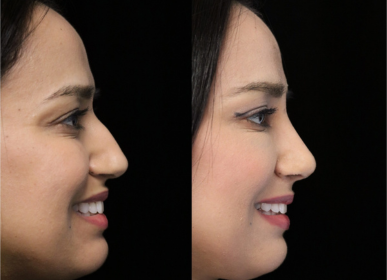
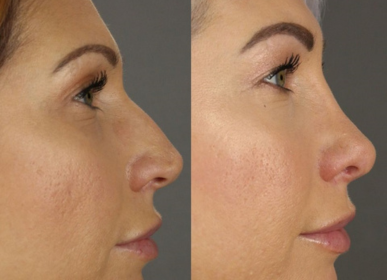
Before / After
Proven Results You Can See
Testimonials