
Scrotal Reduction Surgery – Reduce and Reshape the Scrotum
Scrotal reduction surgery removes excess skin and tightens the scrotum for a more comfortable and natural appearance. Safe and effective procedure for improved confidence and function.

Scrotoplasty or Scrotal lift
Scrotoplasty is a surgical procedure performed on the scrotum to address various conditions such as a buried penis or webbed penis. It may also involve scrotal reduction, sometimes referred to as a scrotal lift, which removes excess skin from the scrotum to correct an enlarged or sagging appearance.
What is Scrotoplasty?
Scrotoplasty is a type of surgery that repairs, reshapes, or creates a scrotum. The scrotum is the pouch of skin beneath the penis that holds and protects the testicles.
Why Would Someone Need Scrotoplasty?
There are different medical and cosmetic reasons why children or adults may have this procedure:
Buried penis:
In children, this can be a condition present from birth, where the penis looks hidden under the skin of the scrotum, thigh, or abdomen. It may also happen if too much or too little foreskin is removed during circumcision.
In adults, it often develops due to obesity, swelling (lymphedema), or complications from surgery.
Sagging or enlarged scrotum:
With age, the scrotum may naturally sag as muscles loosen. Some men choose a scrotal lift for cosmetic reasons.
Others may have large scrotums that cause discomfort during sex, exercise, or daily activities.
Webbed penis (penoscrotal webbing):
This occurs when skin connects the penis to the scrotum, giving it a web-like look. It can interfere with sexual function or be corrected for cosmetic reasons.
Trauma or injury:
Scrotoplasty can repair damage caused by accidents or injuries.
Severe skin infection:
A dangerous infection called Fournier’s gangrene can destroy skin around the penis and scrotum. After removing the infection, scrotoplasty helps rebuild the area.
How should I prepare for a scrotoplasty?
Your healthcare provider will give you instructions before surgery. Common steps include:
Stop certain medicines: Avoid blood thinners (like aspirin), NSAIDs, or supplements that can increase bleeding risk.
No food or drink: Usually, you can’t eat or drink for 8–12 hours before surgery.
Arrange a ride home: Since you’ll have anesthesia and pain medicine, you’ll need someone to drive you home.
Schedule a Consultation
What happens during scrotoplasty for medical conditions?
The exact steps depend on your condition, but generally:
You’ll receive anesthesia — either general (asleep) or local (numb but awake).
The surgeon makes a small cut where the penis and scrotum meet.
Extra skin or tissue is removed.
Skin at the base of the penis may be tightened.
Dissolvable stitches close the cut.
Sometimes a small drain is left to reduce swelling.
Time: The surgery usually takes about 1 hour.
Is scrotoplasty painful?
You won’t feel pain during surgery, but mild pain and soreness are normal during recovery. Pain medicine and cold compresses can help.
What happens after a scrotoplasty?
Most people go home the same day (outpatient surgery).
Buried penis repair may require a hospital stay.
Expect swelling for a few weeks and some pain for a few days.
Avoid sexual activity for at least 2–3 weeks.
You’ll have a follow-up visit within a few weeks.
Benefits of scrotoplasty
Scrotoplasty can improve both physical comfort and emotional well-being:
Self-esteem: Many people feel more confident and comfortable with the look of their scrotum.
Better urination: Buried penis surgery can make peeing easier and reduce leakage.
Comfort: Helps with discomfort from sagging or enlarged scrotum during sex, exercise, or daily activities.
Complications (Rare)
Possible risks include:
Reaction to anesthesia
Bleeding, swelling, or infection
Nerve injury or scarring
Painful sex
Urinary tract damage (rare)
Recovery after scrotoplasty
Recovery depends on the surgery type:
Some people stay in the hospital a few days, others go home the same day.
You may need to wear a support garment (like a jockstrap).
A catheter may be needed for a few weeks to help you pee.
Swelling can last several months, with occasional mild testicular pain.
Schedule a Consultation
Frequently Asked Questions
Scrotoplasty is a surgical procedure performed on the scrotum to correct conditions such as a buried penis, webbed penis, or an enlarged/low-hanging scrotum. It may also involve removing excess skin for functional or cosmetic reasons.
Scrotoplasty may be recommended for medical conditions like scrotal lymphedema, discomfort due to excess skin, difficulty in hygiene, or cosmetic concerns. Some men also undergo the procedure for improved appearance and self-confidence.
The surgery involves removing excess skin and tissue from the scrotum. In some cases, the surgeon reshapes or lifts the scrotum to achieve a more balanced and natural look.
A typical scrotoplasty surgery takes about 1 to 2 hours, depending on the complexity of the case and whether it’s combined with other procedures.
Most patients can return to light activities within a week. Full recovery, including resuming exercise and sexual activity, usually takes 4 to 6 weeks.
As with any surgery, risks may include infection, bleeding, swelling, scarring, or changes in sensation. However, complications are generally rare when performed by an experienced surgeon.
No, scrotoplasty does not affect fertility or sexual function. The surgery focuses only on the scrotal skin and appearance, leaving the testes and spermatic cords untouched.
In some cases, if the procedure is medically necessary (e.g., for discomfort, skin infections, or mobility issues), insurance may cover it. If done purely for cosmetic reasons, it’s usually considered self-pay.
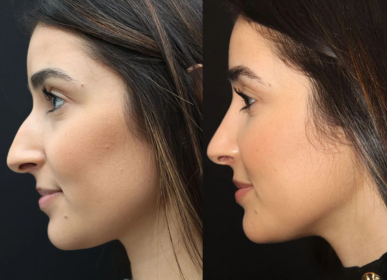
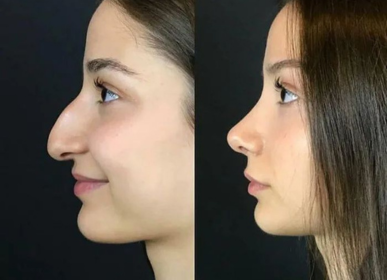
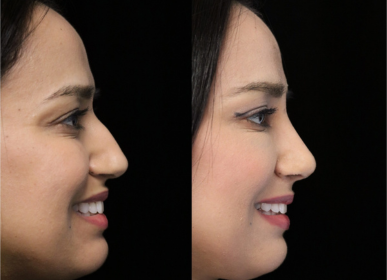
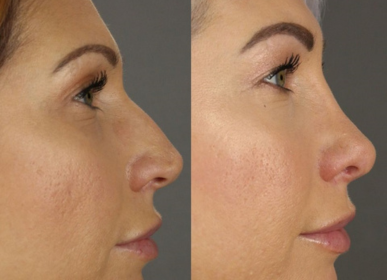
Before / After
Proven Results You Can See
Testimonials