
Peno-Scrotal Web Release – Correct Webbed Penis for Natural Appearance
Peno-scrotal web release surgery separates excess skin between the penis and scrotum. Safe and effective treatment for improved appearance, comfort, and function.

Webbed Penis (Penoscrotal Webbing)
A webbed penis, also called penoscrotal webbing, occurs when the skin that connects the penis and scrotum extends too high on the penis, creating a web-like appearance. This condition is uncommon and is usually present from birth (congenital). In some cases, it can also develop if too much skin is removed during circumcision. Scrotoplasty (surgical correction) is the standard treatment to restore a normal appearance and function.
What is a webbed penis?
A webbed penis happens when the skin from the scrotum is attached too high on the penis. This creates a web-like look when the penis is pulled away from the scrotum. It’s also called penoscrotal webbing (PSW) or congenital penile scrotal fusion.
Is a webbed penis a problem?
In children, a webbed penis usually doesn’t cause any issues. But as a person grows, it can lead to painful erections and make sexual intercourse difficult. Many people choose treatment to reduce erection pain and also for cosmetic reasons.
Is a webbed penis rare?
Yes. Webbed penis (penoscrotal webbing) is uncommon. Research is limited, but one study of 5,881 newborns found that about 4% had this condition.
How do I know if I have a webbed penis?
To check:
Gently pull your penis upward (toward the ceiling).
At the same time, pull the scrotum downward.
If you notice a stretch of skin creating a web-like shape between the penis and scrotum, it may be a webbed penis.
The best way to confirm is to visit your primary care doctor or a urologist. They can diagnose it and suggest treatment if needed.
What causes a webbed penis?
There are two main types:
Congenital webbed penis (present at birth): Doctors don’t know exactly why it happens.
Acquired webbed penis (develops later): Usually happens after circumcision if too much skin is removed.
What’s the difference between a buried penis and a webbed penis?
Both are penis-related conditions. A buried penis is when extra skin or fat hides the penis. Sometimes, webbing can lead to a buried penis, but not all buried penises are caused by webbing.
Book Your Consultation Today!
How do you get rid of webbed penis?
The most effective treatment for webbed penis is scrotoplasty surgery. During this procedure, a urologist:
Carefully cuts the webbed skin connecting the scrotum to the penis.
Repositions and sutures the skin in the correct anatomical location.
Restores the normal angle between the penis and scrotum.
This surgery not only corrects cosmetic appearance but also relieves discomfort or pain during erections.
If penoscrotal webbing does not cause functional or cosmetic concerns, treatment is not medically necessary.
What can I expect if I have webbed penis?
Webbed penis (penoscrotal webbing) doesn’t usually cause serious health issues. However, some people may experience:
Discomfort or pain during erections and sexual activity.
Dissatisfaction with the cosmetic appearance.
If these concerns affect your comfort or confidence, you can discuss treatment options with your healthcare provider.
What is the outlook for webbed penis?
The outlook is generally very positive. Scrotoplasty, the surgical treatment for webbed penis, is a safe and routine procedure performed by many specialists. Most patients achieve excellent cosmetic and functional results, with relief from discomfort and improved confidence.
Book Your Consultation in Jaipur Today!
Frequently Asked Questions
A webbed penis occurs when the skin of the scrotum extends up the underside of the penis, creating a web-like appearance. It can be present at birth (congenital) or develop after circumcision if too much skin is removed.
No, it’s relatively rare. Most people never experience it, and many only discover it during puberty or adulthood when erections become more noticeable.
Congenital (present at birth due to abnormal skin attachment).
Surgical complications (most often after circumcision).
Some people don’t have any symptoms. Others may notice:
Pain or discomfort during erections or sex.
A pulling or tight feeling.
Dissatisfaction with appearance.
No, it usually doesn’t affect fertility, ejaculation, or urination. The main issues are discomfort and appearance.
A healthcare provider can diagnose it during a physical examination. No special tests are typically required.
The main treatment is scrotoplasty, a minor surgical procedure that releases the webbed skin and restores normal appearance and function.
The outlook is excellent. With proper treatment, most people have normal function, no pain, and improved confidence.
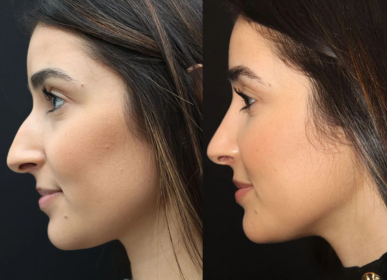
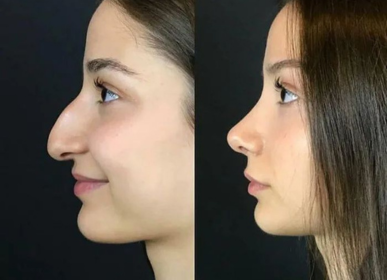
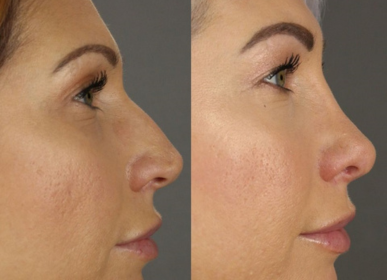
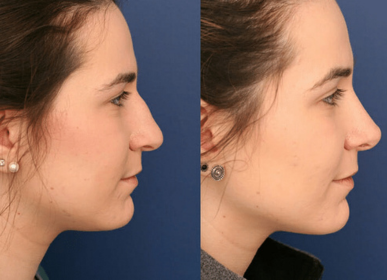
Before / After
Proven Results You Can See


Testimonials