
Clitoral Reshaping (Clitoroplasty) – Restore Balance & Aesthetics
Clitoral Reshaping, also known as Clitoroplasty, is a delicate cosmetic gynecological procedure designed to reduce or reshape the clitoral hood or clitoral tissue.

Clitoroplasty
Clitoroplasty is a surgical procedure that reshapes the clitoris or creates one, depending on the patient’s needs. It is commonly performed to address congenital conditions, correct damage from trauma or female genital mutilation, or for cosmetic and aesthetic reasons. The goal of clitoroplasty is to improve the appearance and function of the clitoris while preserving its sensitivity and sexual function.
What is Clitoroplasty Surgery?
Clitoroplasty is a type of surgery that changes the size, shape, or position of the clitoris — or creates a clitoris if one is absent. The clitoris is an important part of the female anatomy with over 8,000 nerve endings, making it the main source of sexual pleasure.
The main goal of clitoroplasty is to adjust the appearance of the clitoris while trying to preserve its sensation and blood flow. However, like any surgery, there are risks, including possible changes in sensitivity.
A clitoroplasty may involve:
Reducing the size of the clitoris.
Repositioning the clitoris.
Creating a clitoris (for those born without one).
Improving the overall appearance of the clitoris.
Why Would Someone Have a Clitoroplasty?
There are medical, functional, and cosmetic reasons for clitoroplasty. These include:
Congenital conditions – Being born without a clitoris or having an enlarged clitoris.
Clitoromegaly – A condition where the clitoris is larger than usual, often due to hormone exposure.
Congenital adrenal hyperplasia (CAH) – A hormone-related condition that can cause an enlarged clitoris resembling a penis.
Female pseudohermaphroditism – A condition where internal anatomy is female, but external genitals appear more male.
Damage repair – Correcting injuries from genital mutilation or trauma.
Cosmetic reasons – To reduce, reshape, or reposition the clitoris for comfort, confidence, or improved sexual experience.
Atypical genitalia or intersex traits – For individuals whose genitals don’t fit typical male or female categories, clitoroplasty can help align their appearance with their identity.
Book Your Consultation Today!
Clitoroplasty – Treatment Details
How should I prepare for surgery?
Before your clitoroplasty, you’ll meet with your healthcare team to:
Discuss your health history, surgery goals, and potential risks.
Have physical exams, blood tests, or imaging if needed.
Share any medications or allergies with your provider.
You’ll also receive specific instructions, such as:
When to stop eating or drinking.
What time to arrive at the hospital or surgical center.
Whether to adjust or stop certain medications.
What happens during a clitoroplasty?
The exact procedure depends on your reason for surgery.
You’ll receive either local anesthesia (numbing the area while you stay awake) or general anesthesia (you’ll be asleep).
If the goal is to reduce or reshape the clitoris, the surgeon carefully removes or reshapes excess tissue and closes incisions with stitches.
If you were born without a clitoris or have congenital differences, the surgeon may create a clitoris from available tissue.
All cuts (incisions) are closed with dissolvable stitches.
👉 Most people go home the same day (outpatient surgery).
How long does it take?
Clitoroplasty usually lasts 1 to 2 hours, depending on the complexity.
What happens after surgery?
After your procedure:
Your healthcare team monitors your vital signs (breathing, blood pressure, heart rate).
Once stable, you can go home — but you’ll need someone to drive you.
Plan for extra help at home for the first 24–48 hours.
Recovery expectations:
Swelling, pain, and discomfort are common.
Many people take at least 1–2 weeks off work or school.
Swelling improves in about 6 weeks, though mild swelling may last up to 3 months.
Follow-up visits help ensure proper healing.
Self-care tips after clitoroplasty:
Apply a cold pack (over clothing) for 20 minutes at a time, several times a day.
Take antibiotics and pain relievers exactly as prescribed.
Wear loose-fitting clothing to avoid irritation.
Avoid sex or inserting anything into the vagina for at least 6 weeks.
Recovery and Outlook
Recovery after clitoroplasty varies depending on the complexity of the surgery and individual healing capacity. Your healthcare provider will give you tailored instructions for post-surgical care, including genital hygiene and any necessary modifications to your routine.
Timeline: Most people recover fully in about 6 to 12 weeks.
Restrictions: Avoid sexual intercourse for at least six weeks, or until your provider confirms it is safe.
Follow-up: A post-surgery check-up will be scheduled to ensure proper healing and assess clitoral function.
Risks of Clitoroplasty
Clitoroplasty is sometimes considered a controversial procedure, and opinions differ on whether it is always necessary or beneficial. Studies on its long-term outcomes, especially in children and teens, are still ongoing.
One of the biggest concerns is the risk of reduced or lost nerve sensation, which some experts believe may outweigh the cosmetic benefits if the condition is not causing pain or functional issues. In addition, some individuals may experience chronic pain after surgery, which can significantly impact quality of life.
Other possible risks include:
Vaginal stenosis (narrowing of the vaginal opening)
Urinary incontinence
Urethra-vaginal fistula (abnormal connection between urethra and vagina)
Bleeding or bruising
Book Your Consultation Today!
Frequently Asked Questions
Clitoroplasty is a surgical procedure that reshapes the clitoris or creates one. It can be done for congenital conditions, cosmetic reasons, or to repair damage from trauma or female genital mutilation.
Children, teens, and adults may have clitoroplasty if they have congenital anomalies, atypical genitalia, or cosmetic concerns affecting the clitoris.
The surgery involves either reducing, repositioning, or reconstructing the clitoris using existing tissue. Stitches are used to close any incisions. The procedure usually takes 1–2 hours.
During surgery, anesthesia prevents pain. Afterward, some swelling and discomfort are normal, and pain can usually be managed with medications and cold packs.
Recovery typically takes 6–12 weeks. Sexual activity should be avoided for at least six weeks or until your doctor confirms it is safe.
Possible risks include nerve damage, chronic pain, bleeding, bruising, urinary issues, and vaginal stenosis. Discuss risks carefully with your surgeon before the procedure.
Yes, clitoroplasty results are generally permanent. Follow-up care ensures proper healing and optimal outcomes.
When performed correctly, the surgery aims to preserve sensitivity and sexual function. However, there is a small risk of decreased sensation or discomfort.
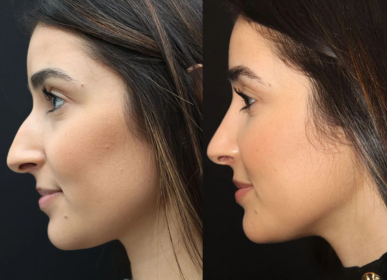
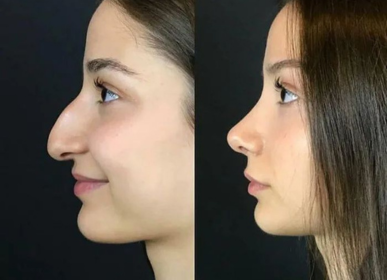
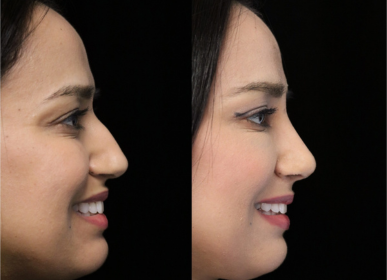
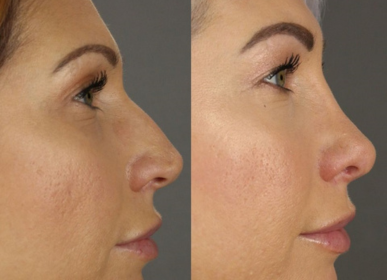
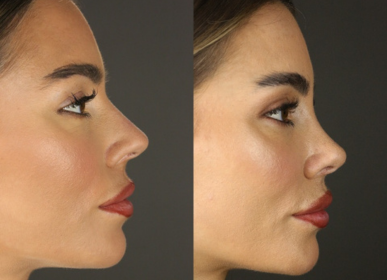
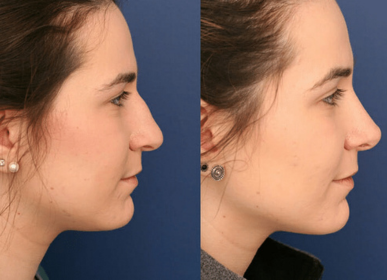
Before / After
Proven Results You Can See
Testimonials